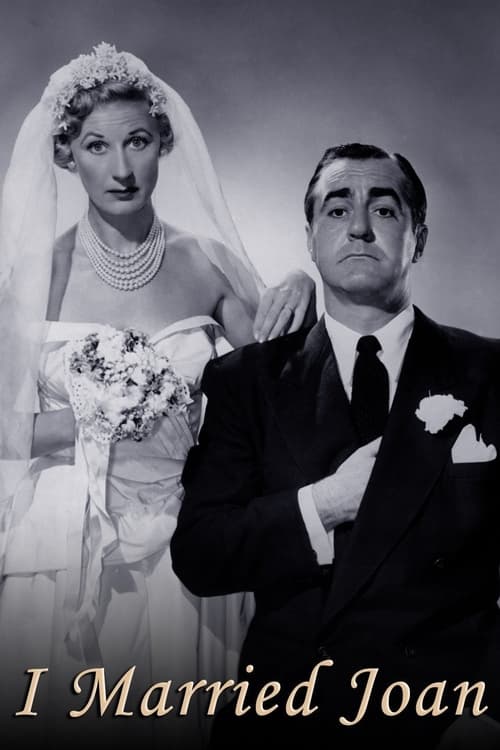
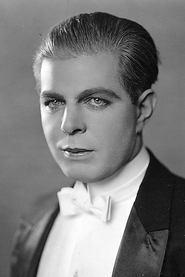
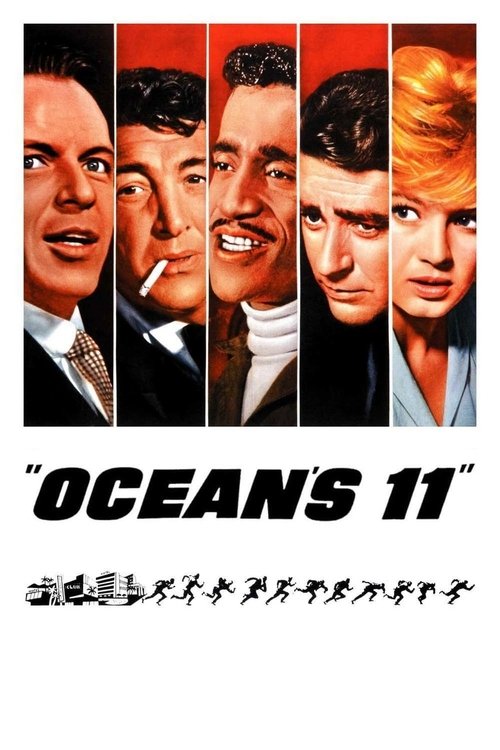
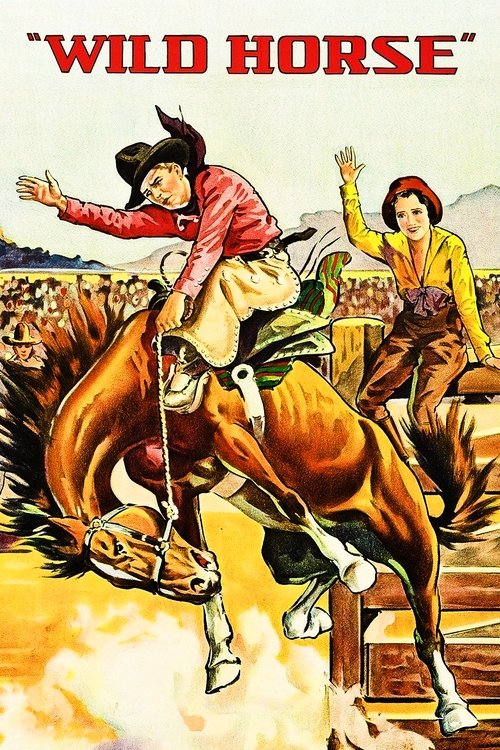
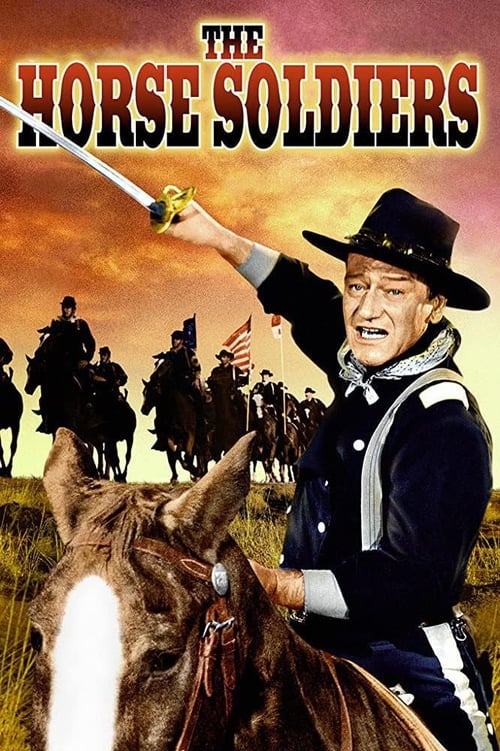
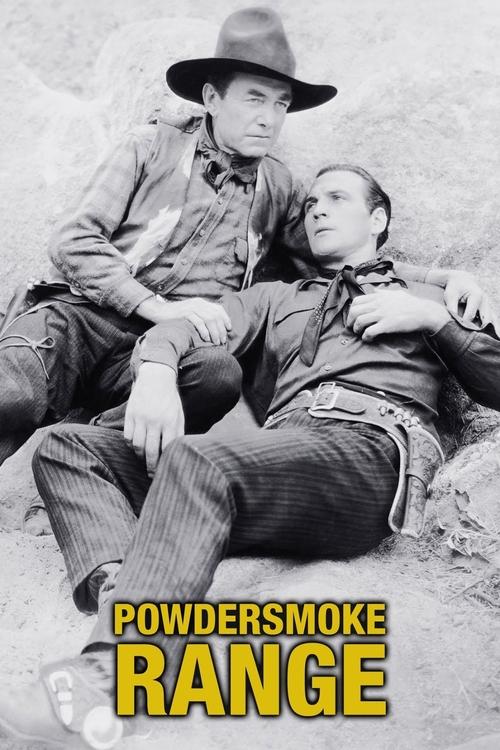
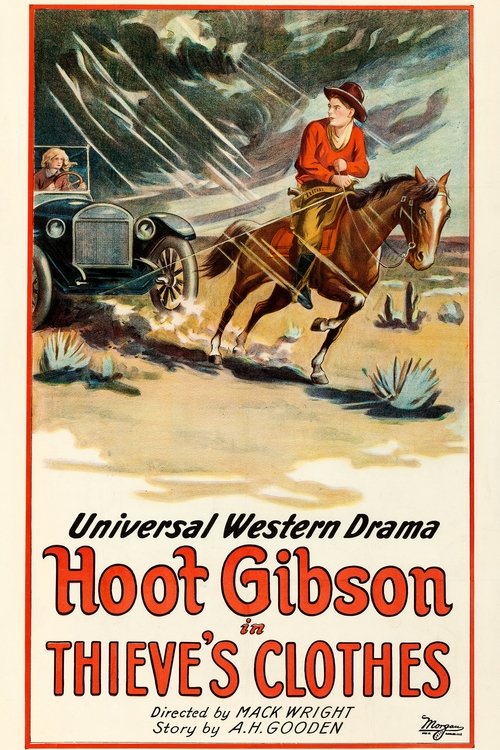
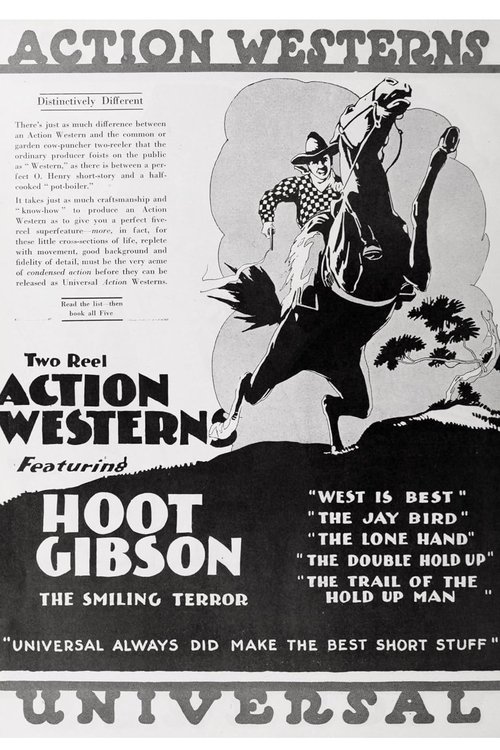
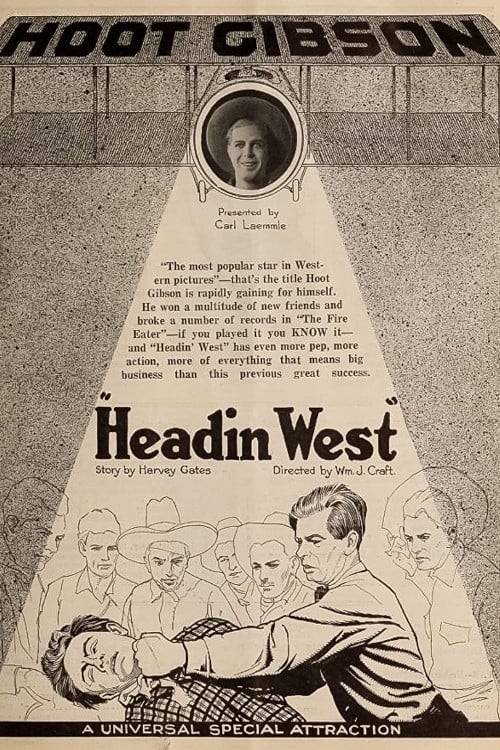
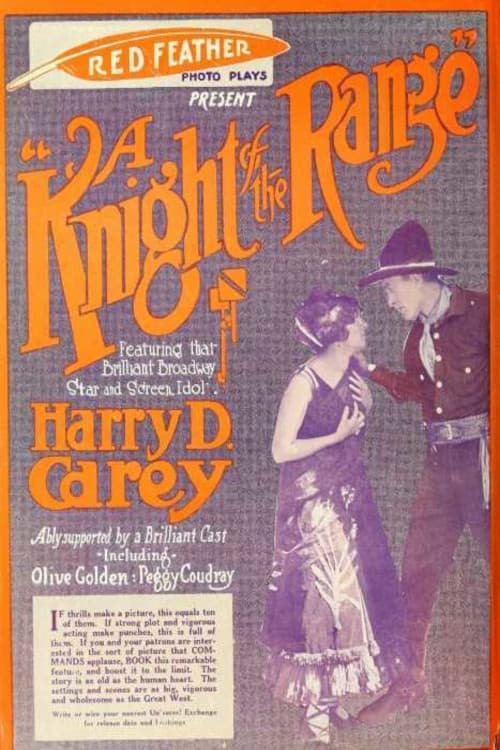
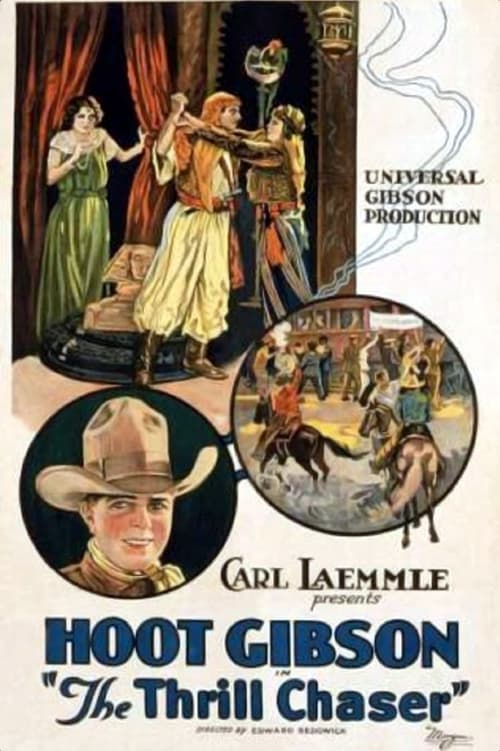
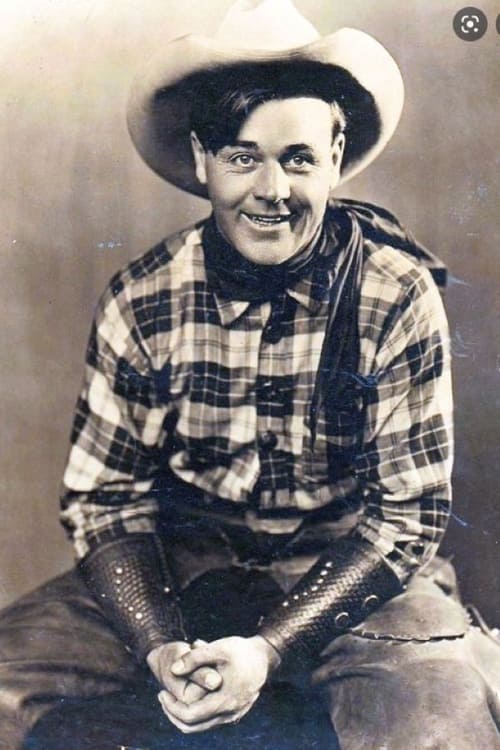
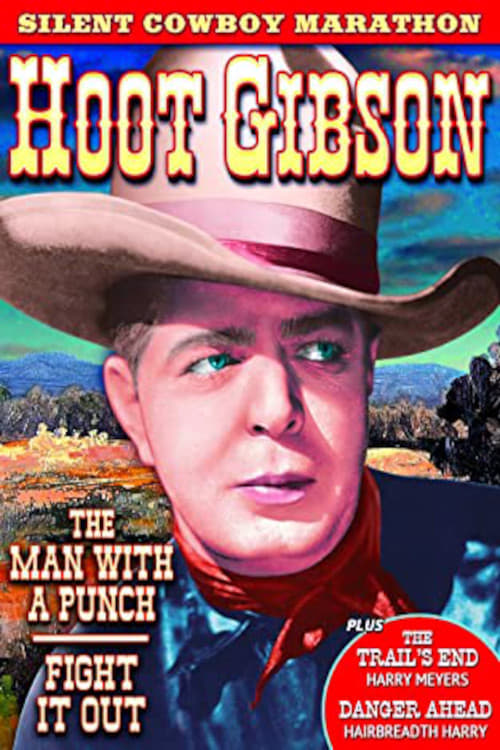
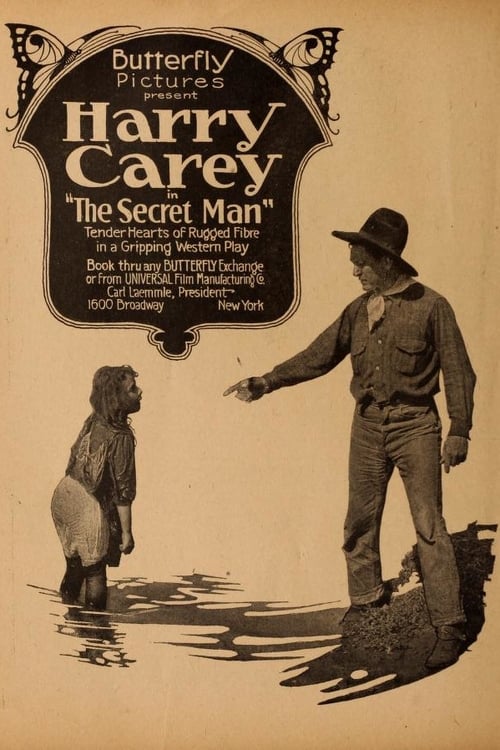
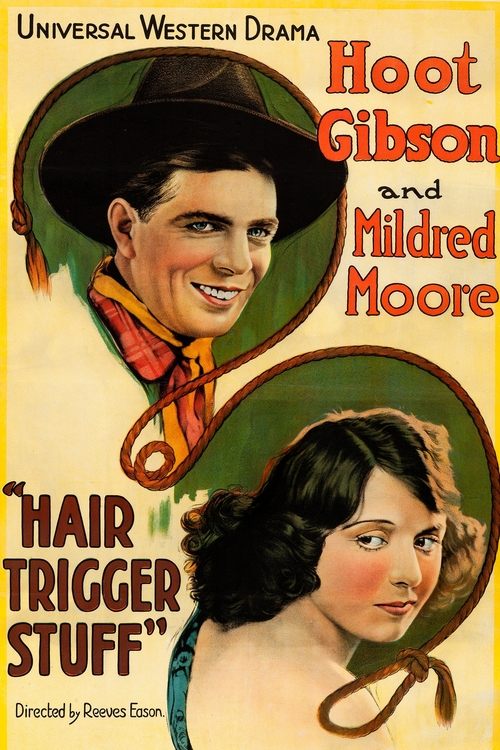
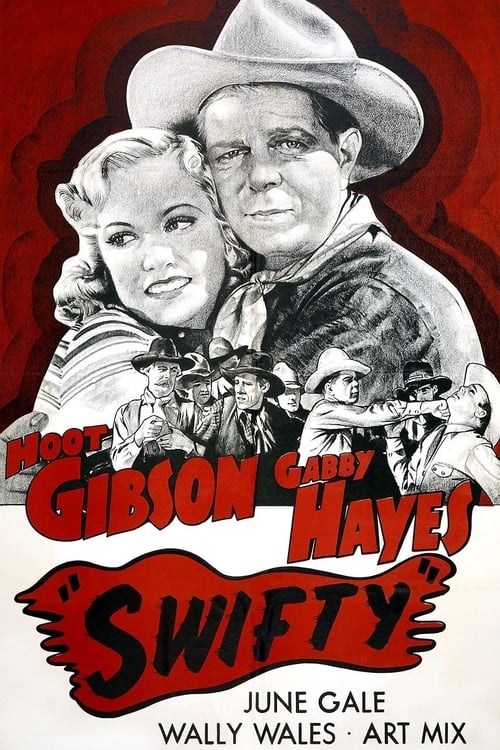
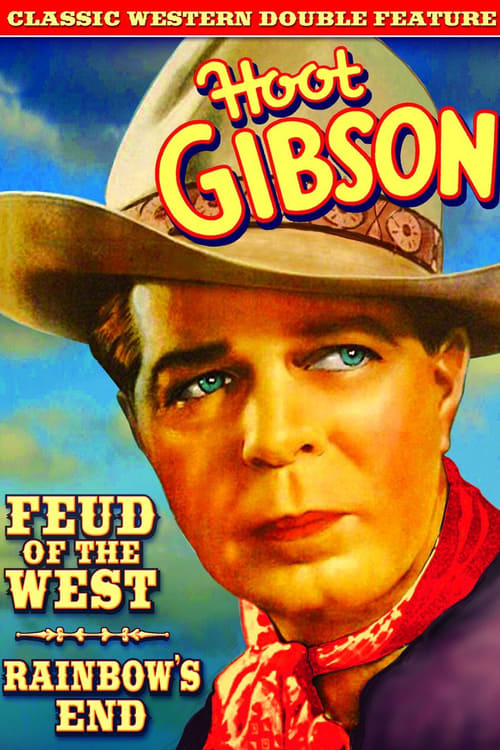
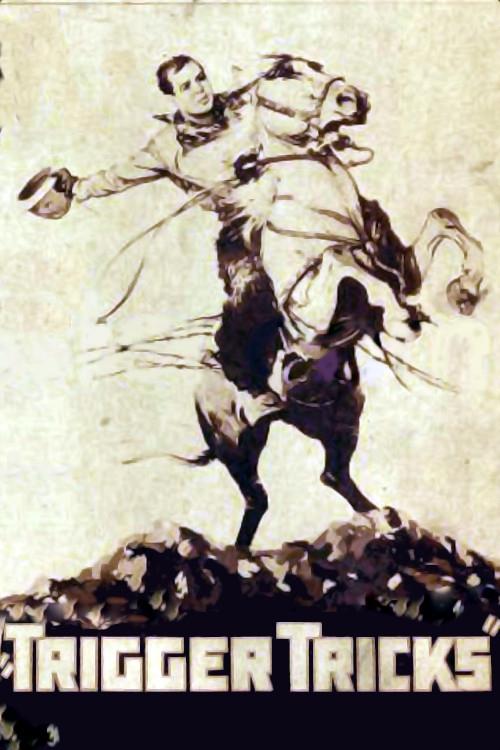
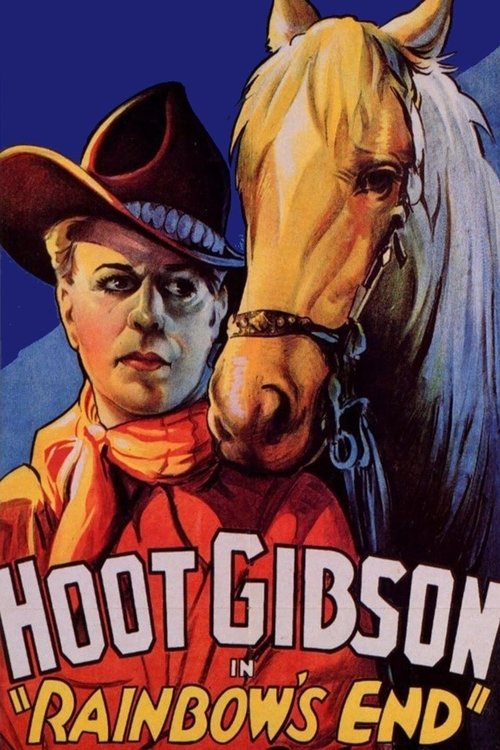
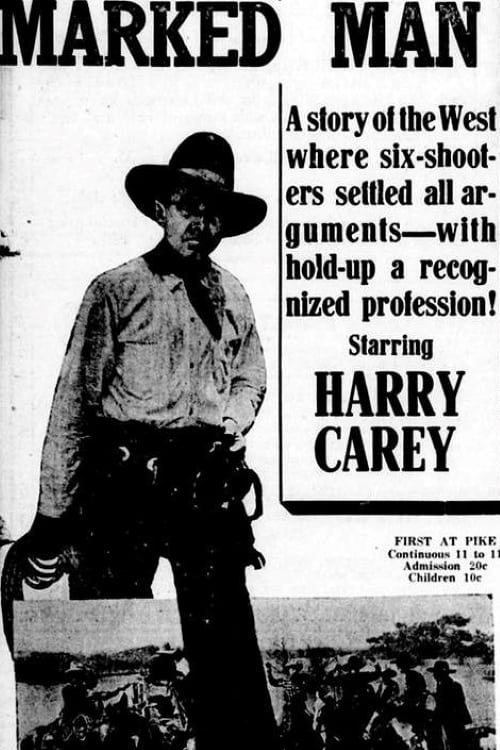
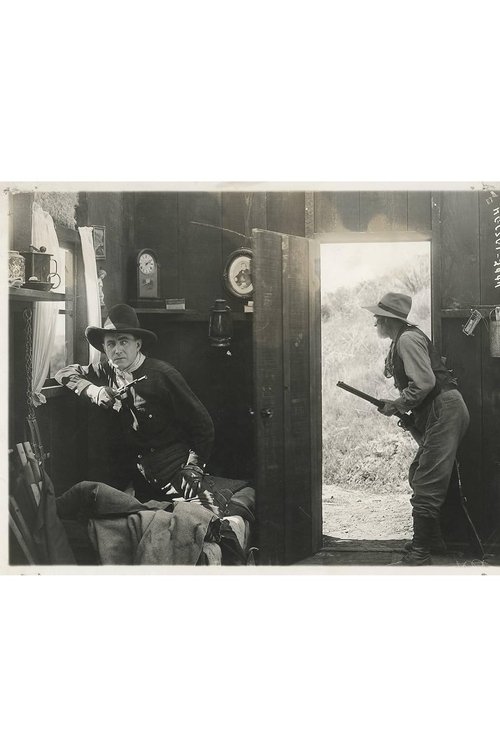
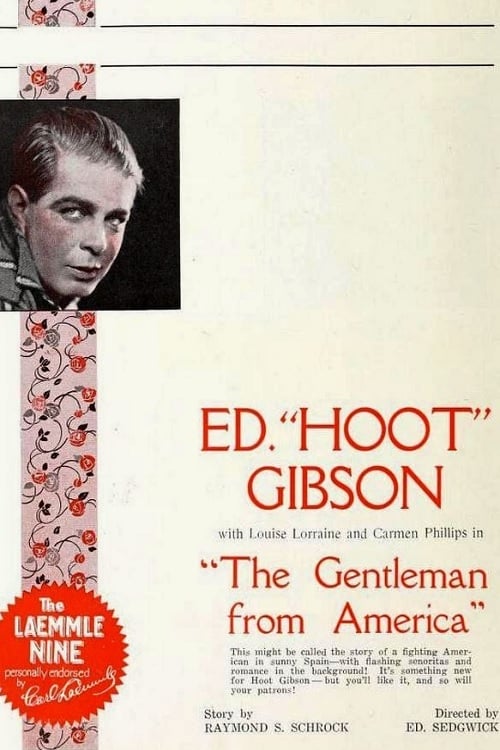
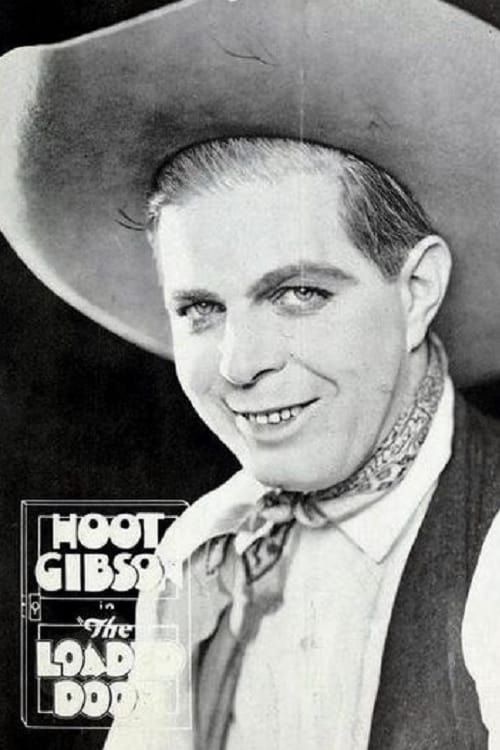
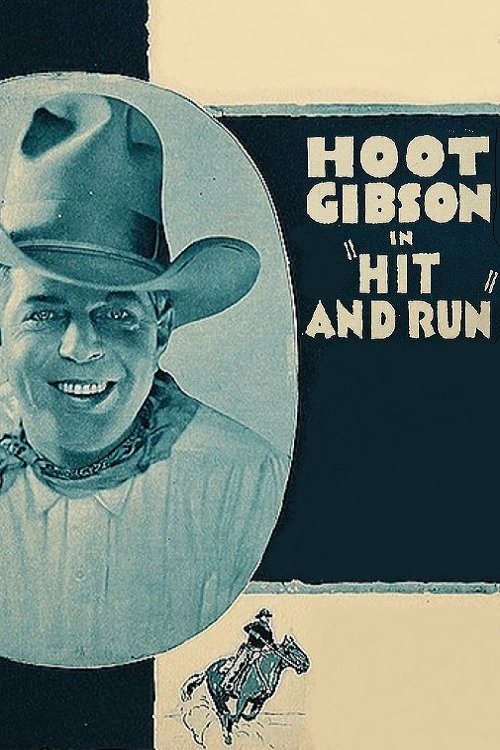
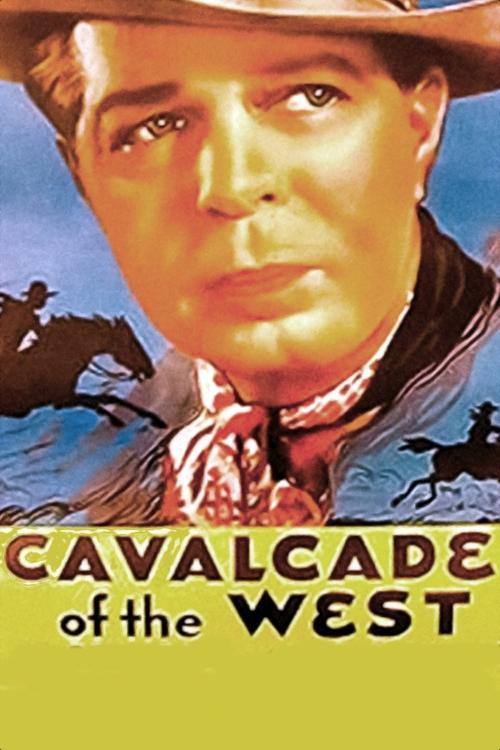
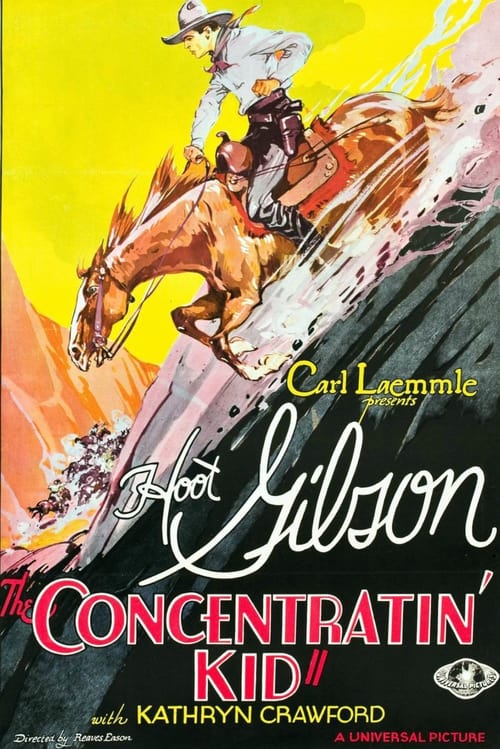
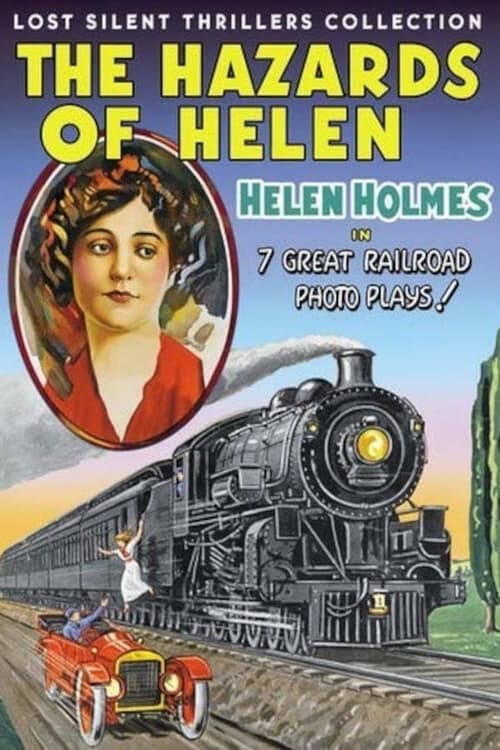
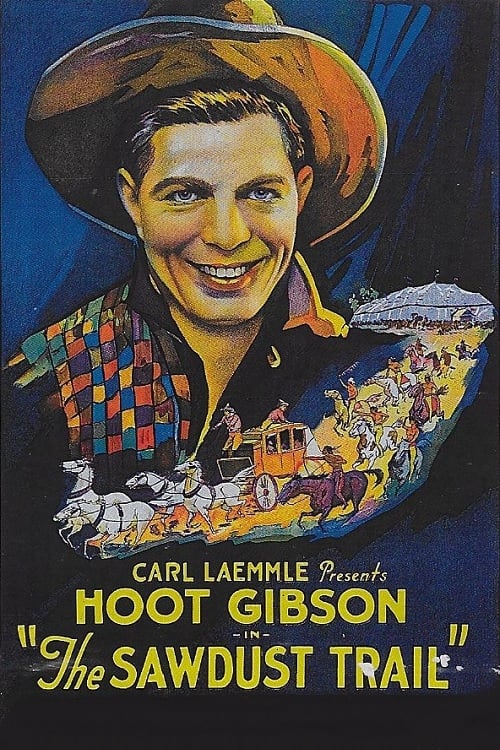
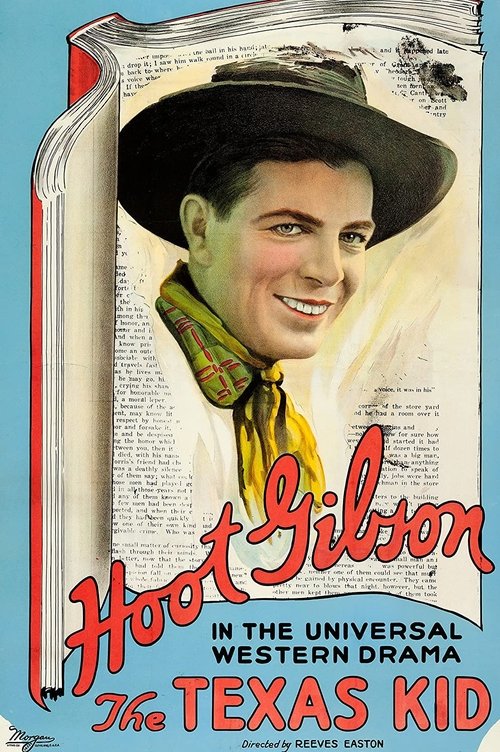
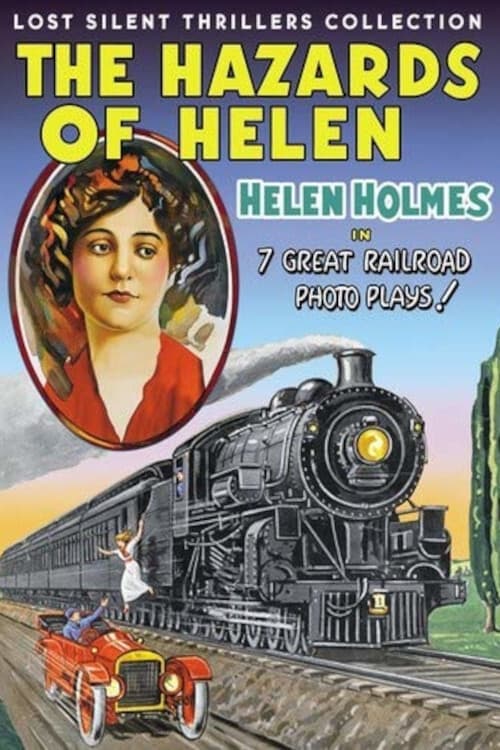
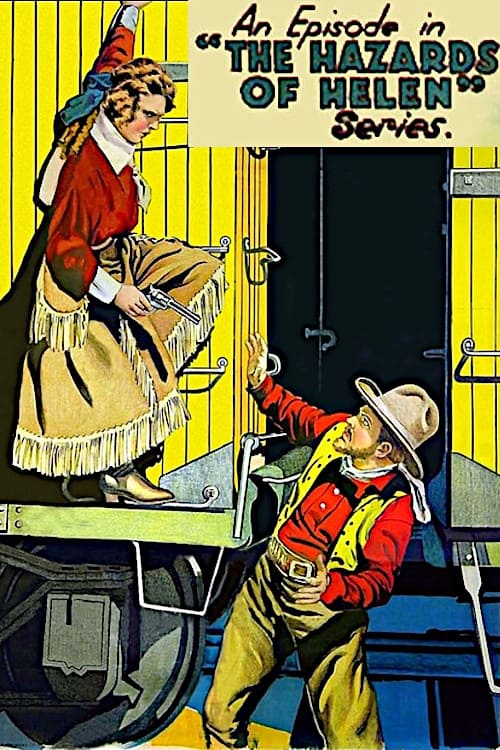
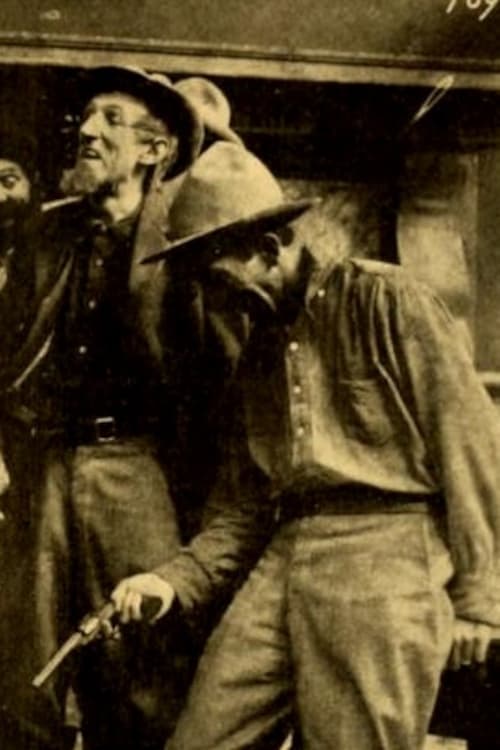
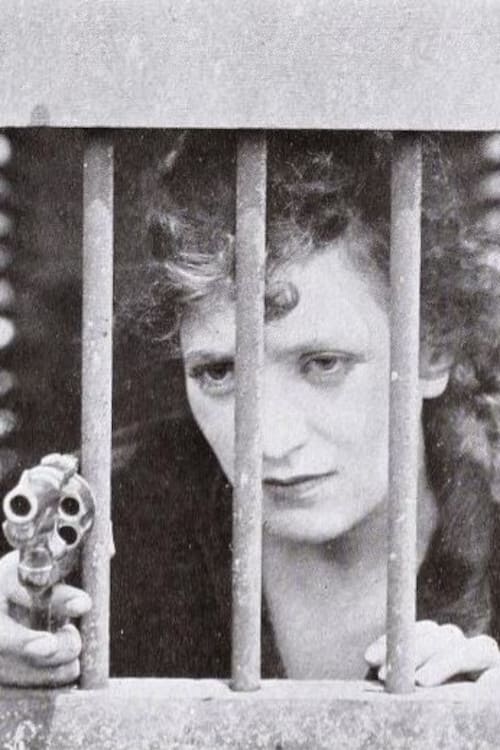
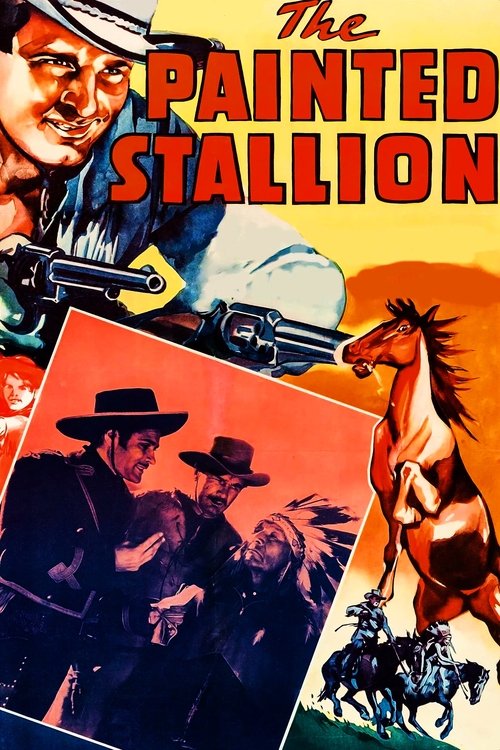
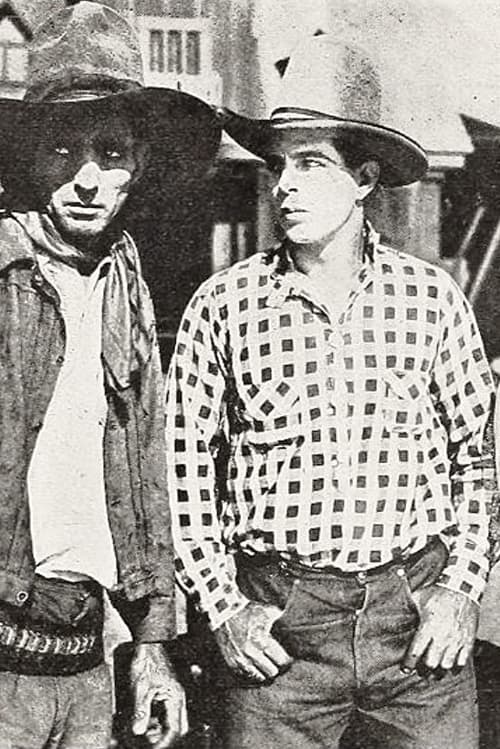
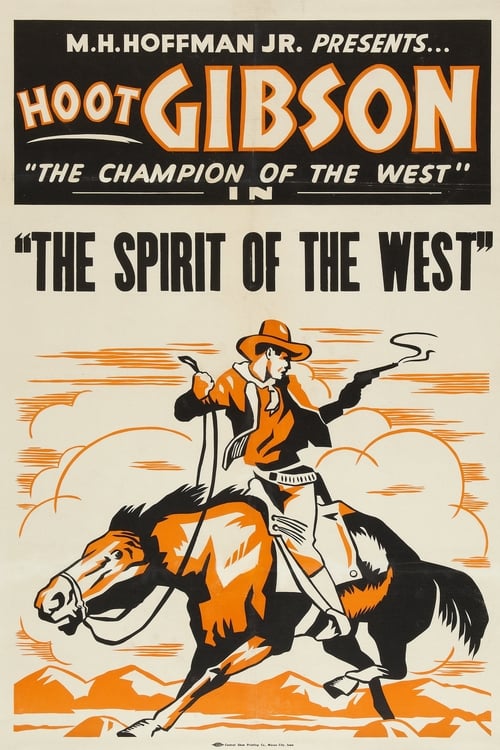
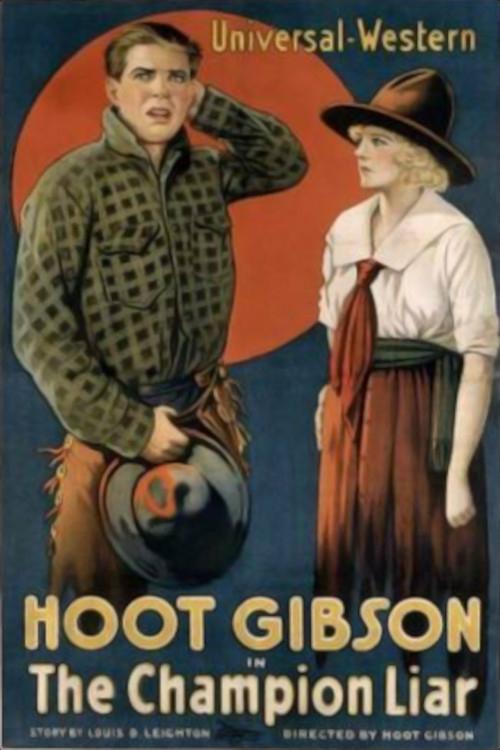
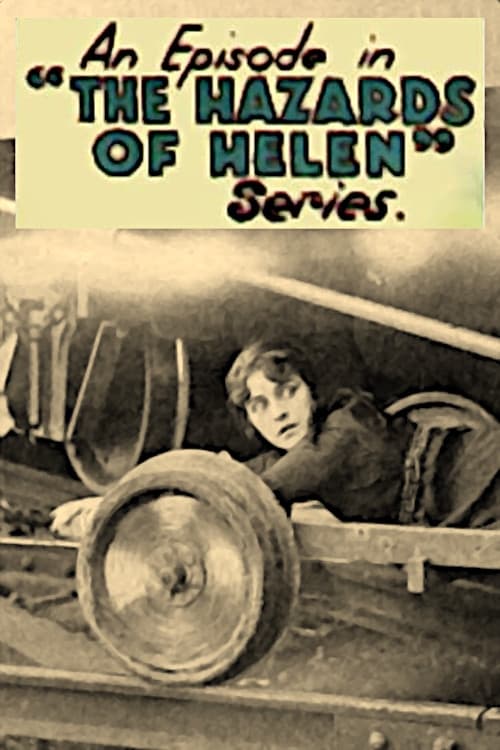
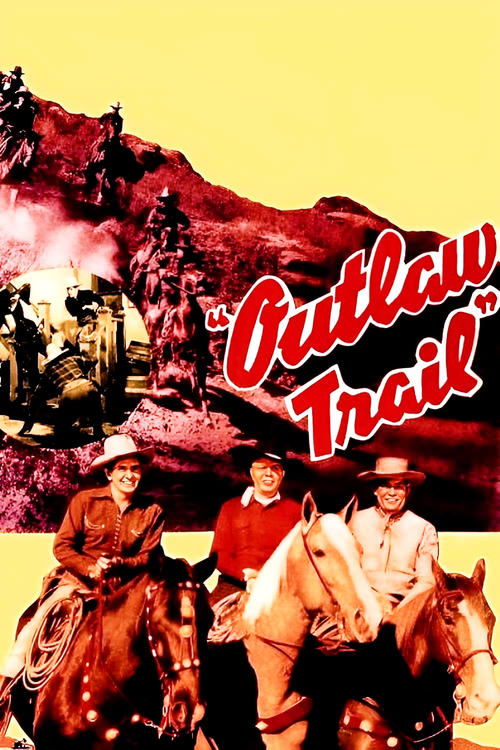
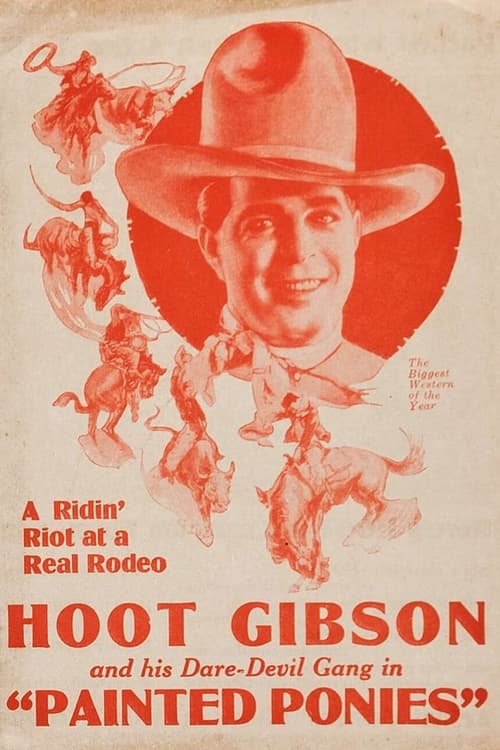
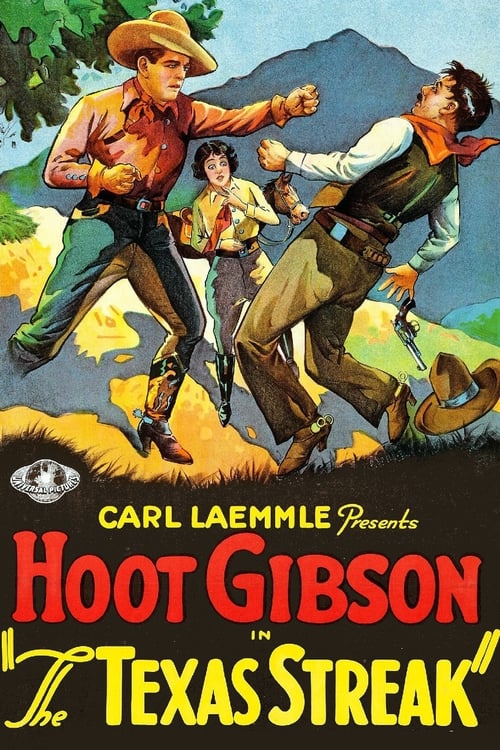
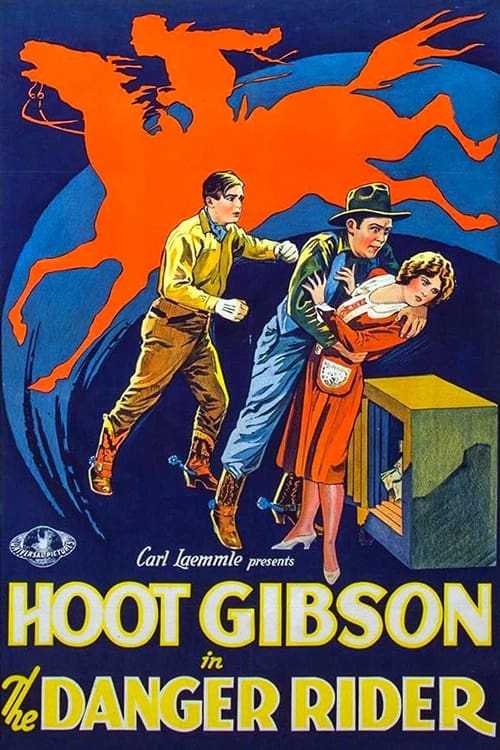
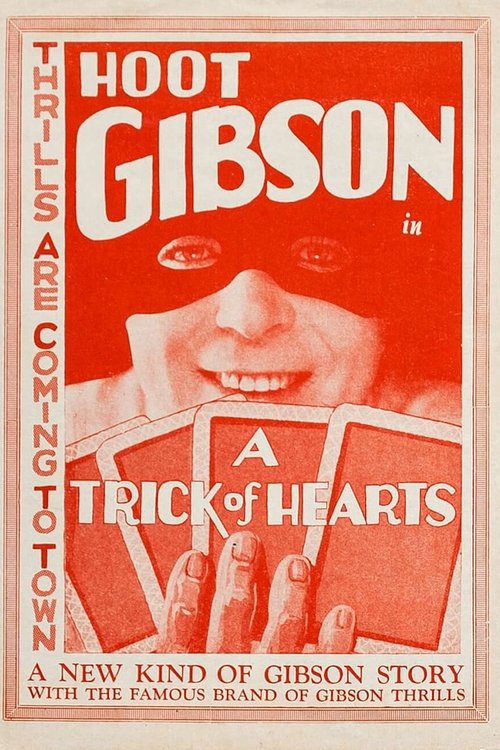
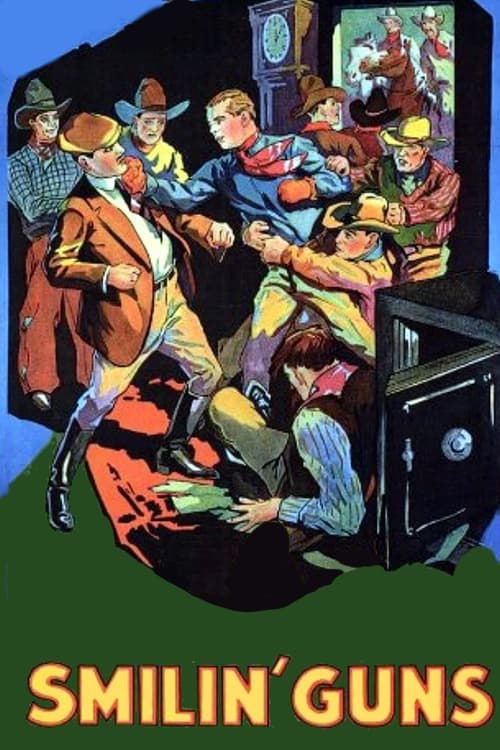
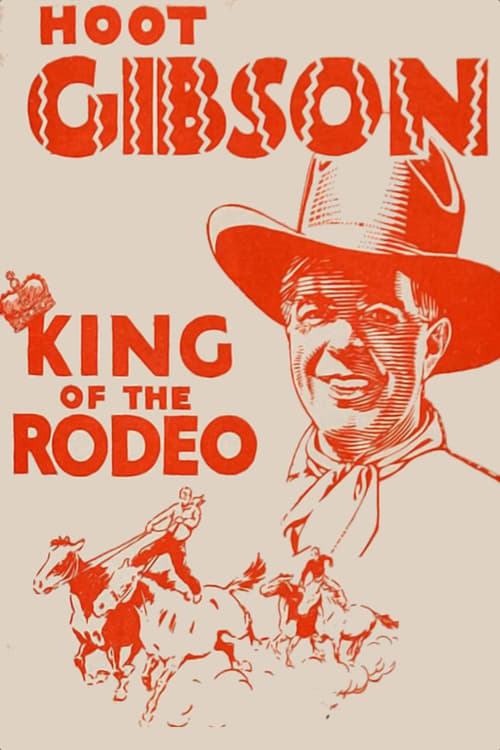
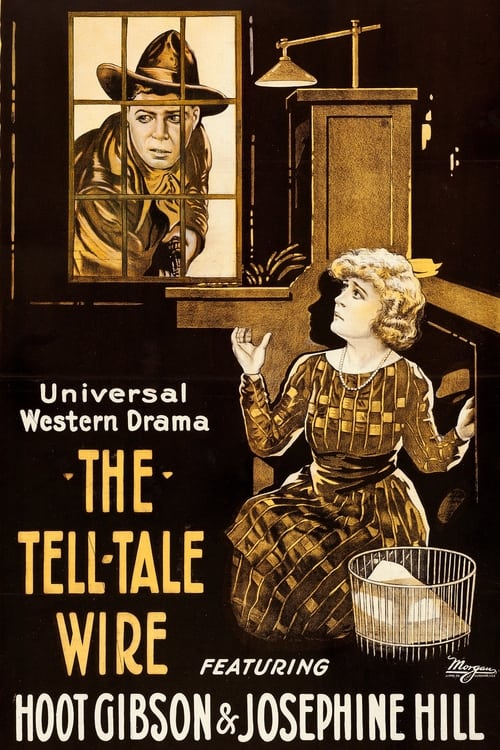
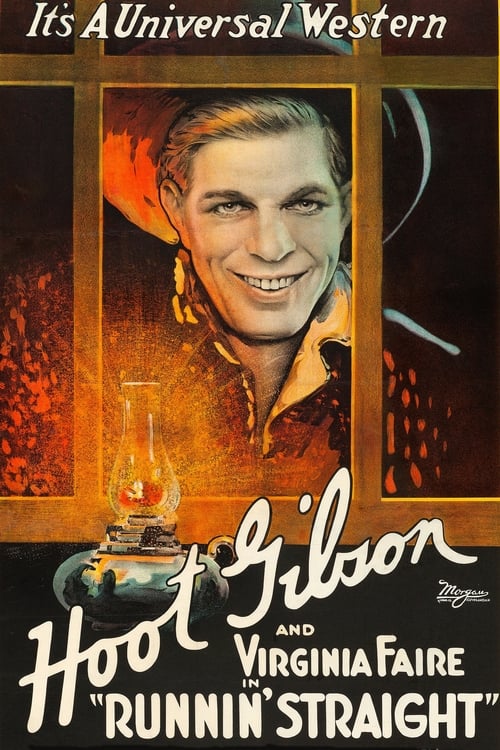
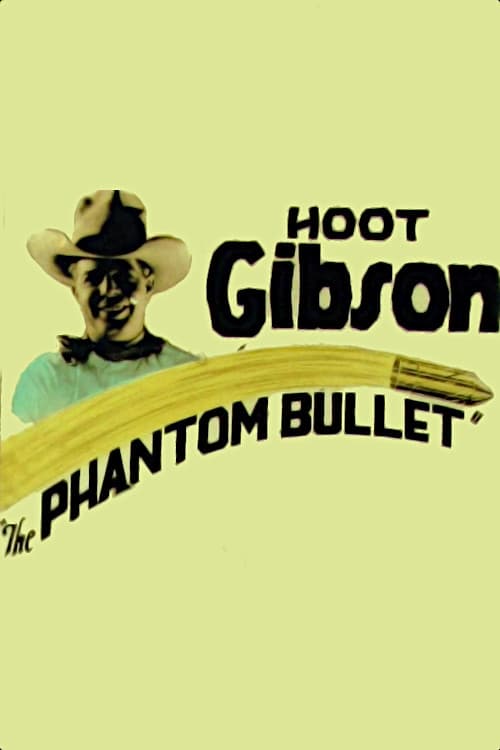
Hoot Gibson was a colorful figure, a light-hearted, fun-loving personality on screen and off. Hoot’s cheerful westerns included a significant amount of comedy. His mild, peaceful character rarely carried a gun. As an expert horseman, Hoot was always impressive on a galloping horse. Gibson’s film career began in 1910 with a few films for the Biograph Company interspersed among rodeo competitions. In 1914 he was a stuntman for the serial The Hazards of Helen, doubling the serial’s star Helen Holmes. His stunts included fights on trains and transfers from a train to a horse. He had supporting roles in numerous Western short films, including playing the villain in A Knight of the Range (1916) opposite popular western star Harry Carey. He appeared in three of the Westerns made by Carey and director John Ford in 1917: Straight Shooting, The Secret Man, and A Marked Man. Hoot’s starring career at Universal Studios was launched in two films directed by Ford, Action (1921) and Sure Fire (1921). In these films, Hoot plays a wandering cowboy who rescues the pretty young co-star from outlaws. Hoot became a popular western star for Universal. Film titles such as Ridin’ Wild (1922), Thrill Chaser (1923), Hit and Run (1924), Hurricane Kid (1925), and Galloping Fury (1927) guaranteed Hoot’s fans five reels of action and fun. Hoot’s easygoing approach gave his films a lighthearted tone. A deft comedian, he featured as much comedy as drama. As talkies arrived, Hoot continued as a Western star, but with lower budget producers such as M.H. Hoffman Inc. (distributed on a state rights basis by Allied Pictures Corporation) and Walker Futter Productions (Diversion Pictures). In 1935, Hoot co-starred with Harry Carey in Powdersmoke Range, advertised by RKO as the "Barnum and Bailey of Westerns" (whatever that means). The cast list of this "all star" (B western stars) film included Bob Steele, Guinn "Big Boy" Williams, Tom Tyler, William Farnum, and other Westerners from the silent era. In 1937 at Republic, he made a serial, The Painted Stallion, in support of new cowboy star Ray Corrigan. An aging Hoot retained his fine horsemanship and comic flair, but fan interest had moved to the new singing cowboys, especially Gene Autry and Roy Rogers. Hoot’s Westerns had lost their appeal. In the late thirties, out of movies, Hoot toured with circuses and appeared at rodeos and fairs. In 1943, after seven years off the screen, Hoot returned in the Trail Blazer series at Monogram Studios. In these Westerns, Marshall Hoot Gibson, initially co-starred with Ken Maynard and later with Bob Steele and Chief Thundercloud, upholds the law and captures outlaws and crooked businessmen threatening the lives and property of innocent citizens. Hoot made eleven Trail Blazer films; the last was Trigger Law (1944). John Ford brought Hoot back for a cameo role in The Horse Soldiers (1959). His last screen appearance was as a sheriff’s deputy in Ocean’s Eleven (1960), another cameo.

1917
1960
1931
1959

1920
1930
1935
1920
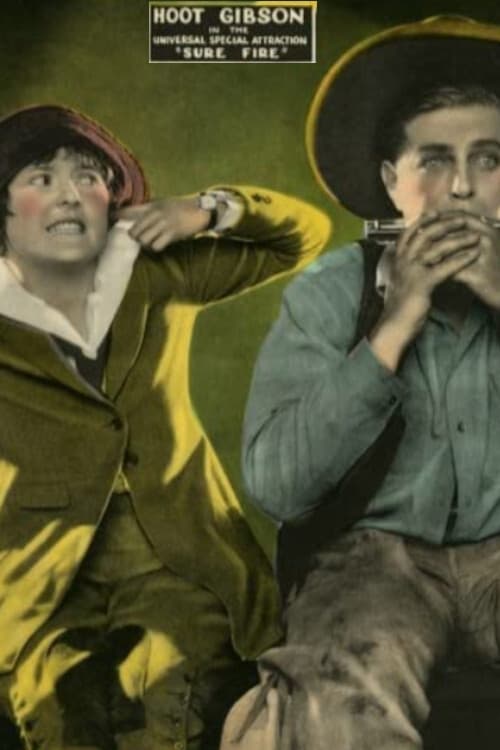
1921
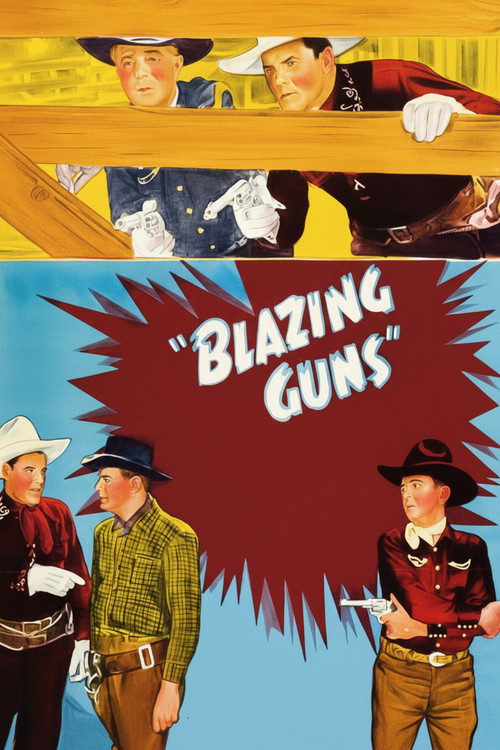
1943

1935
1924
1921
1921
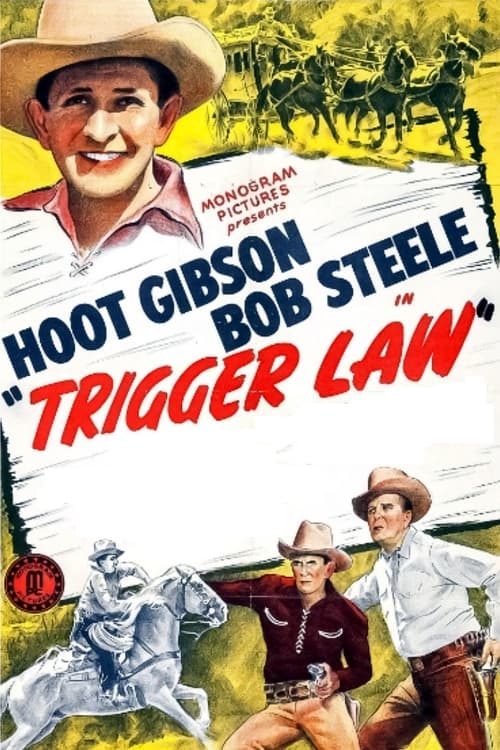
1944
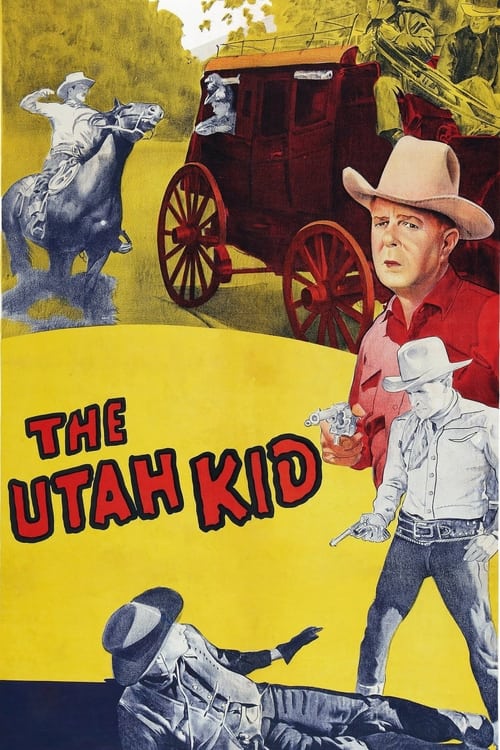
1944

1944
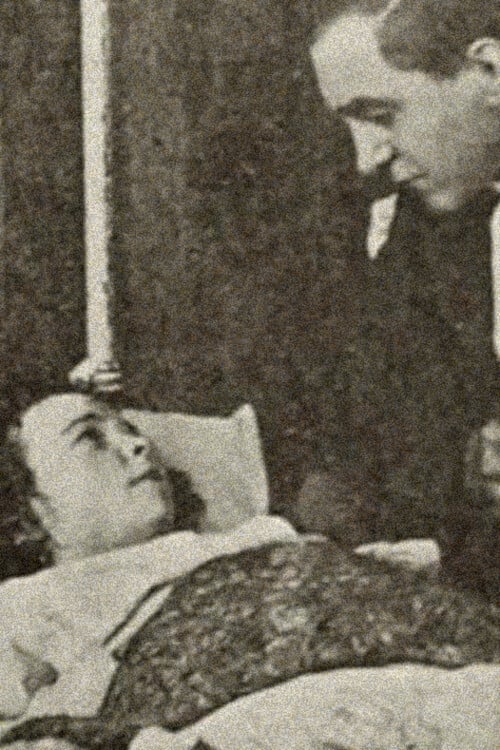
1917
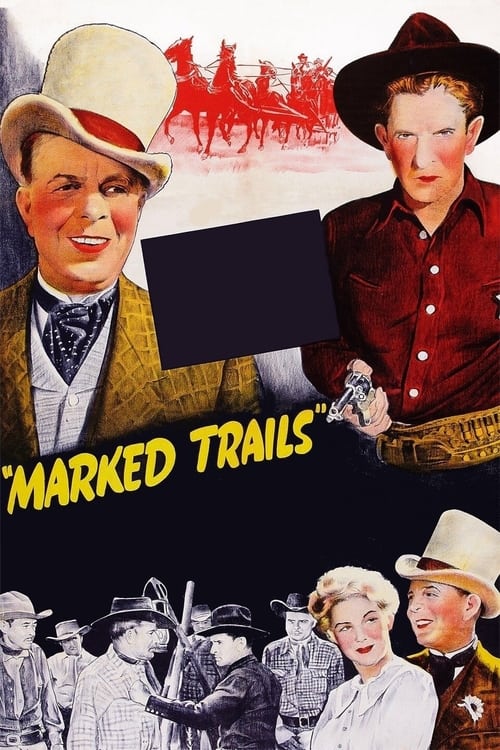
1944
1915
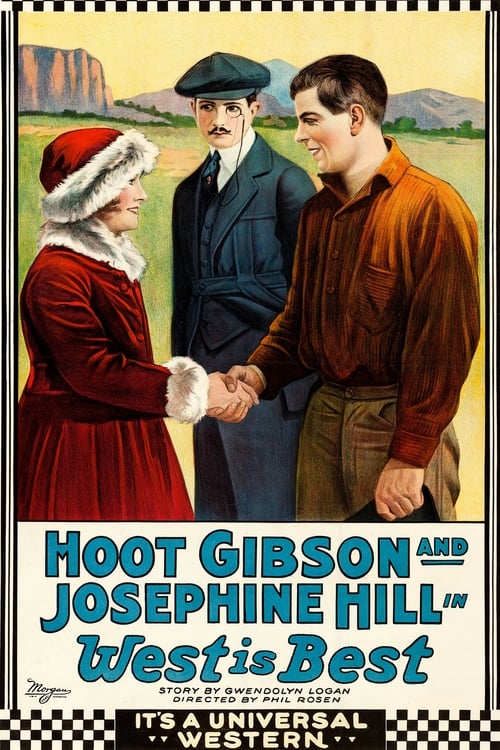
1920
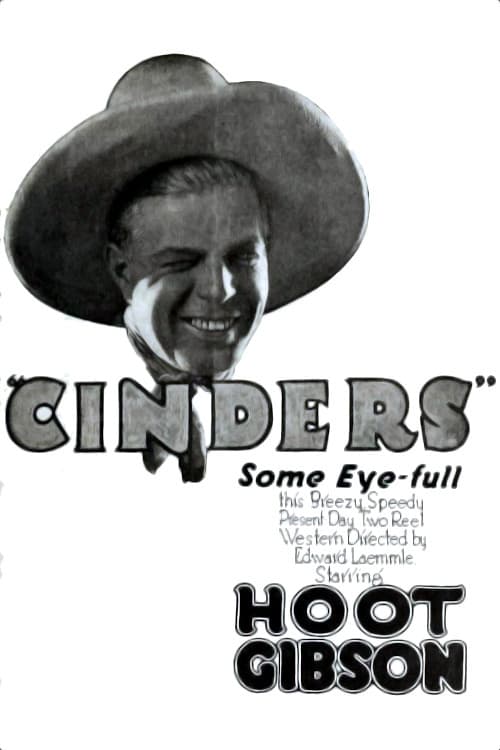
1920
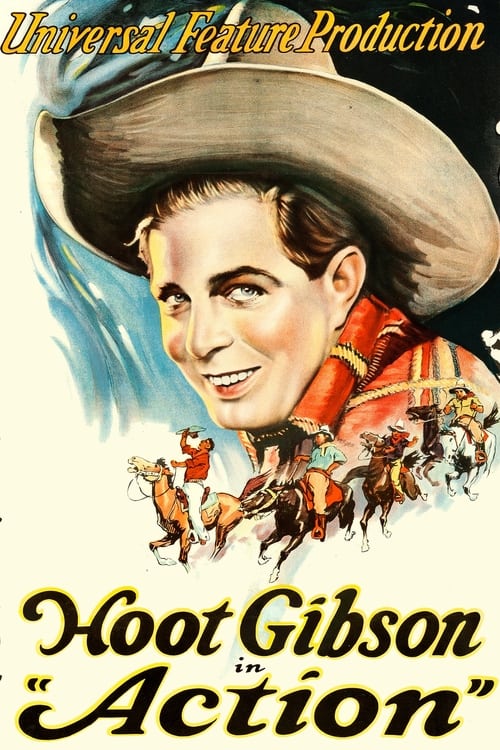
1921
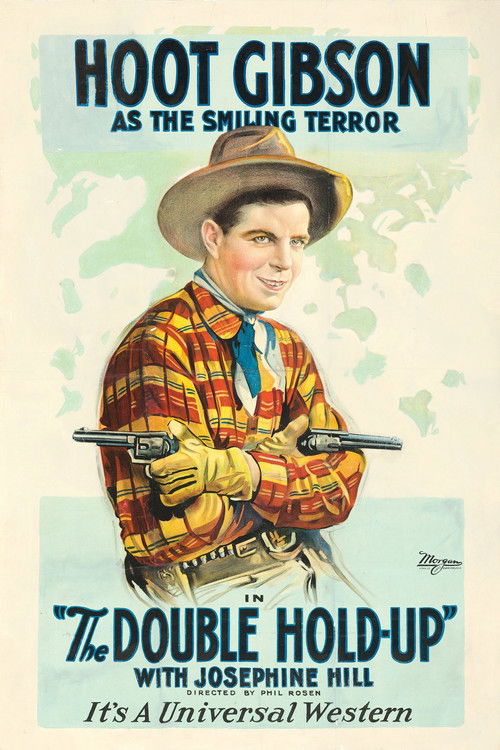
1919
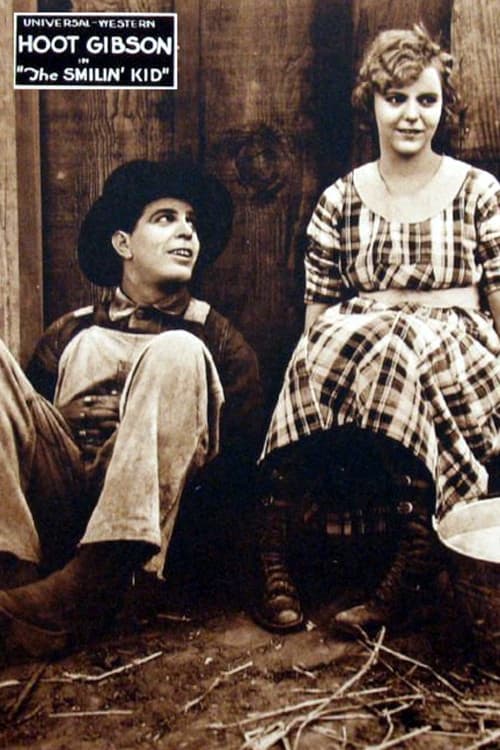
1920
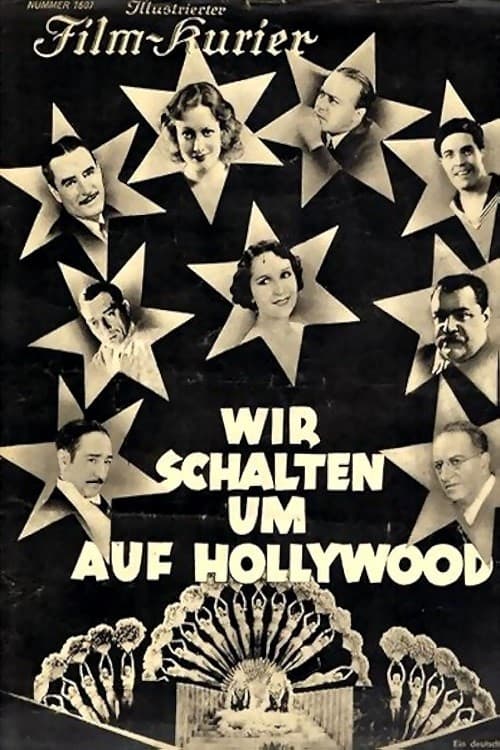
1931
1920
1929
1919
1922
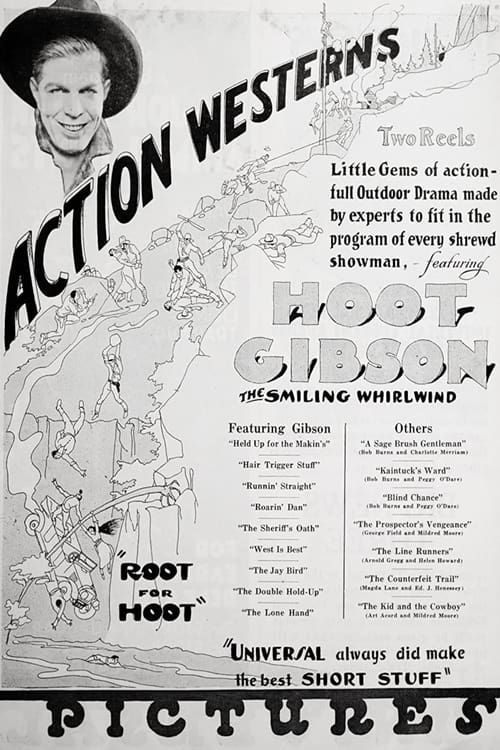
1920
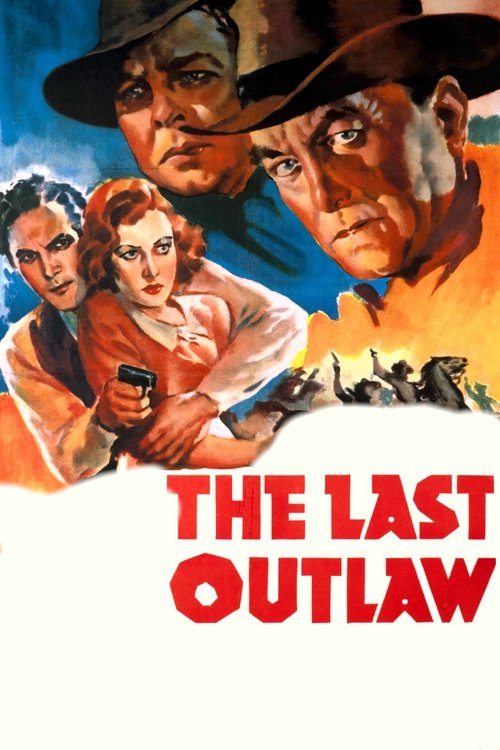
1936
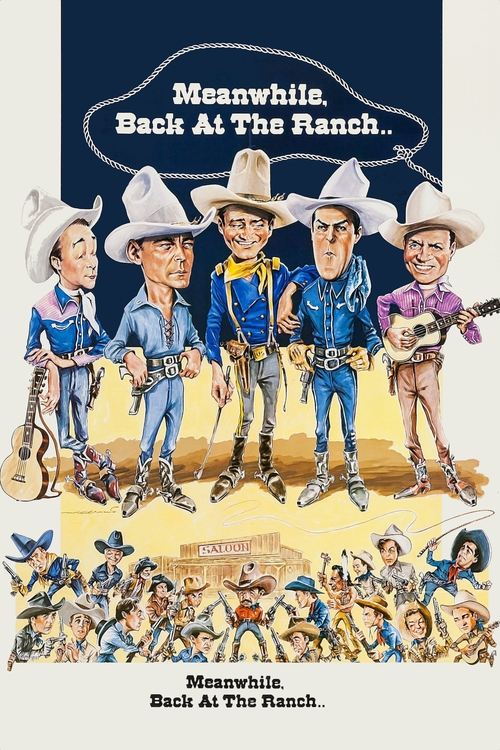
1976
1916
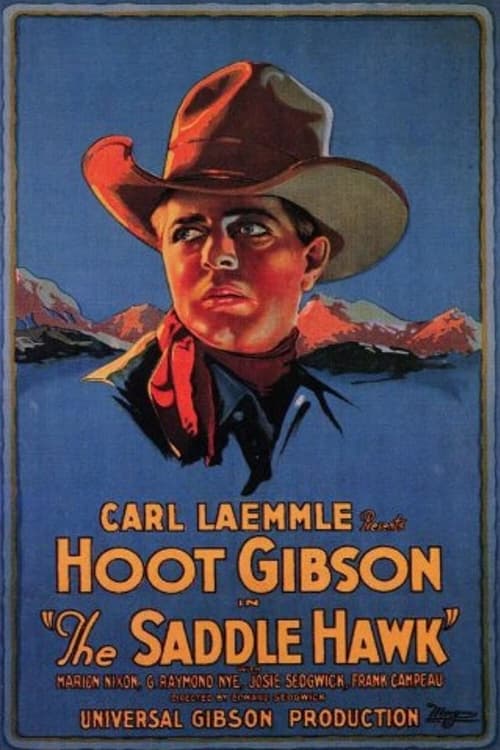
1925
1916
1919
1923
1919

1922

1917
1923
1921
1920
1927
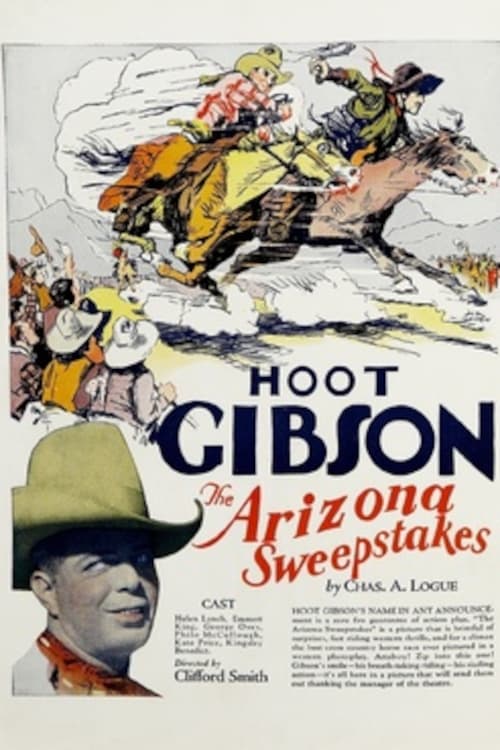
1926
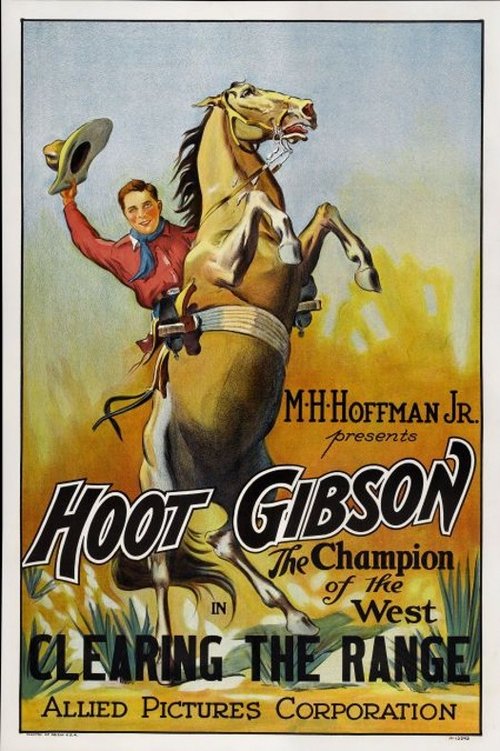
1931
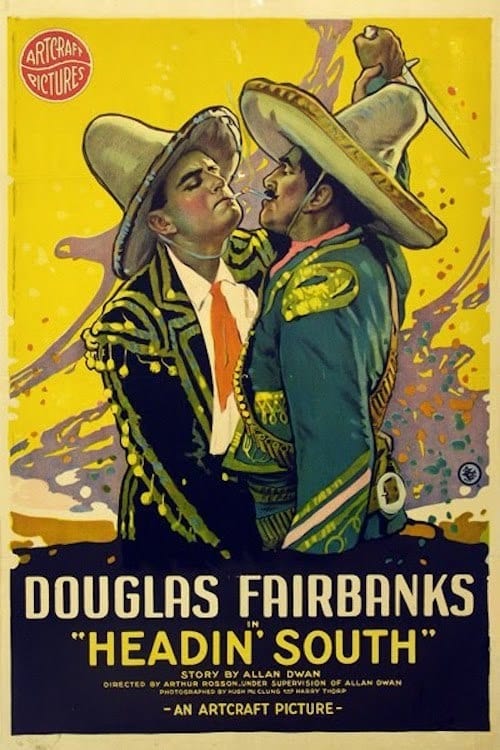
1918
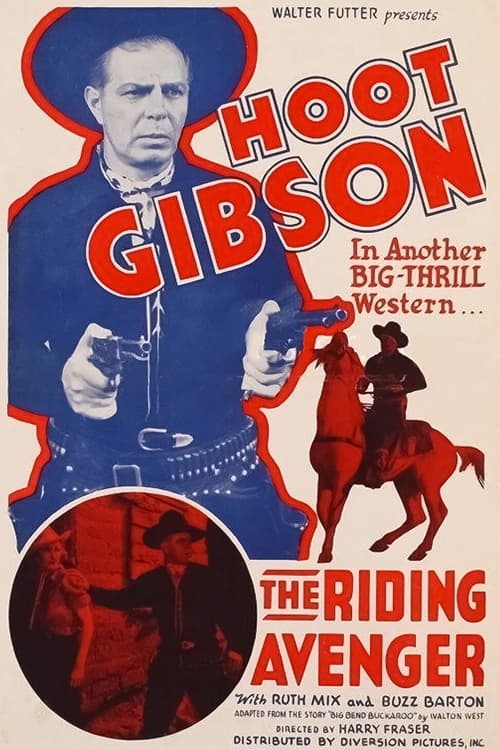
1936
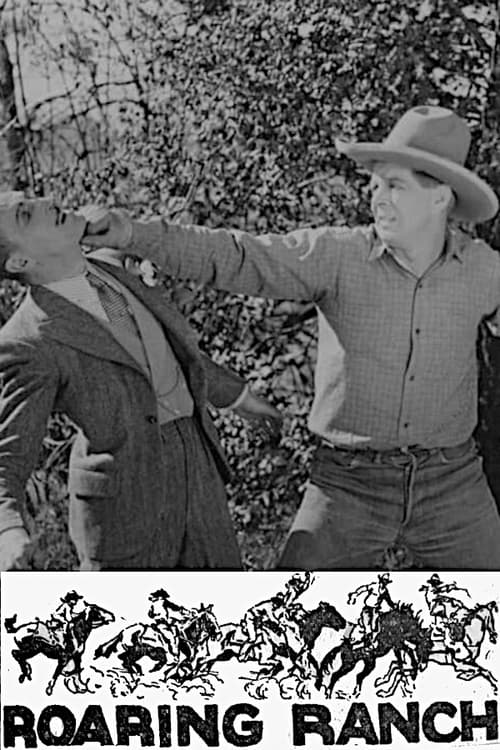
1930
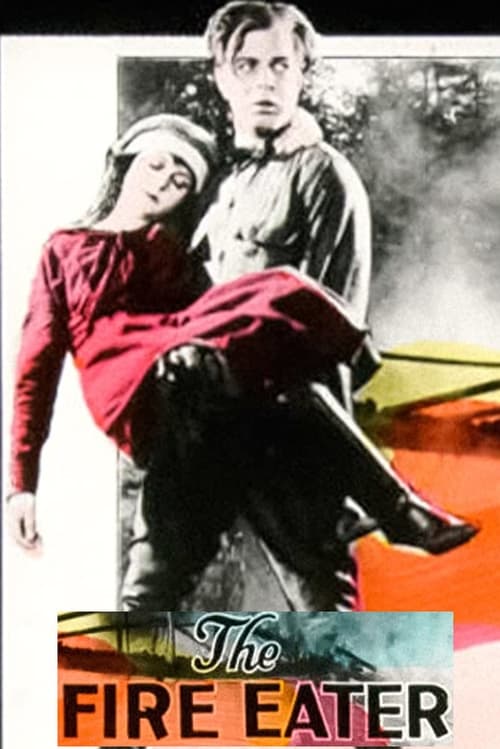
1921
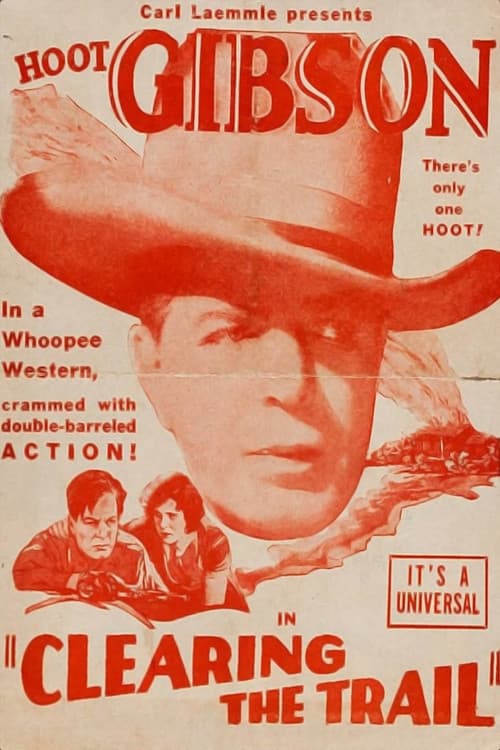
1928
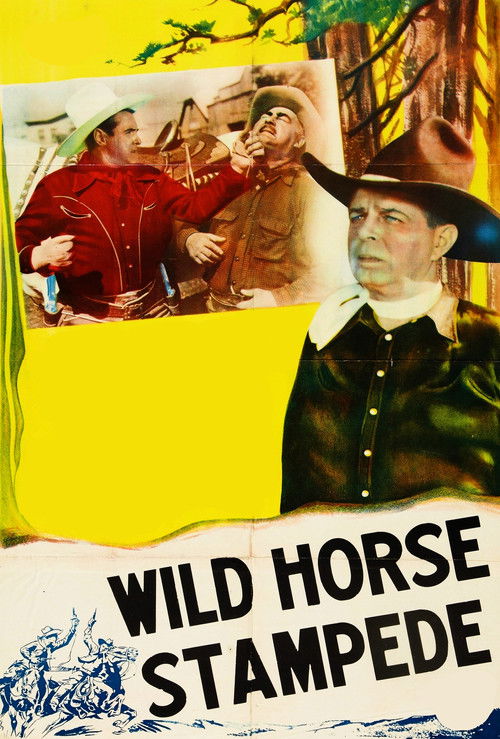
1943
1919
1919
1926
1920
1917
1917
1919
1920
1935
1936
1920
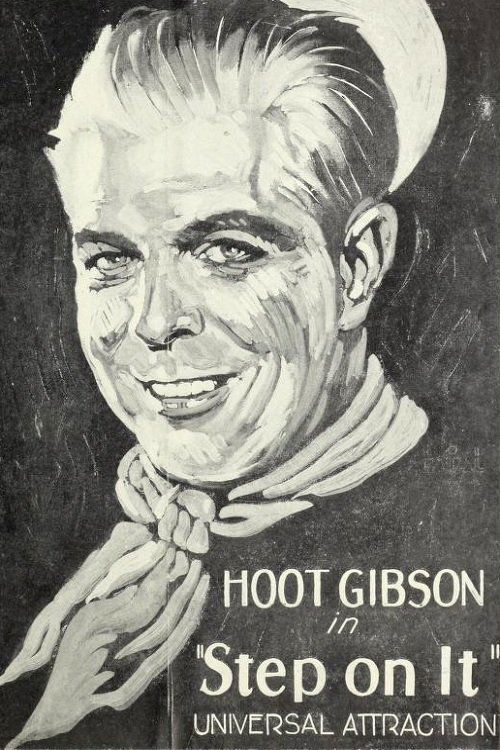
1922
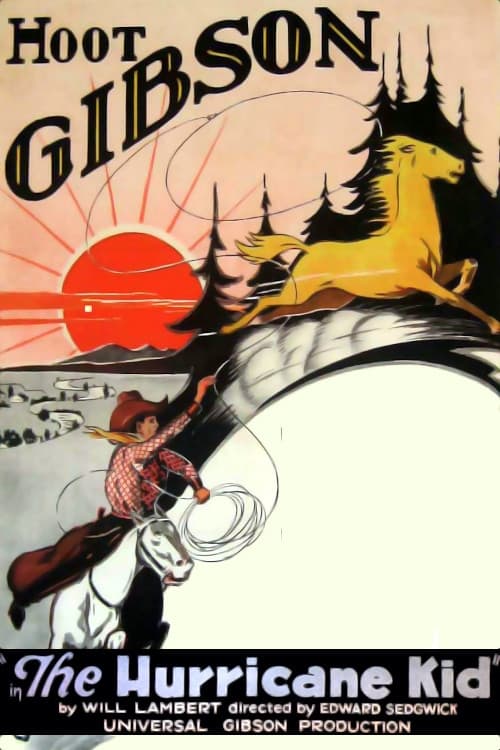
1925
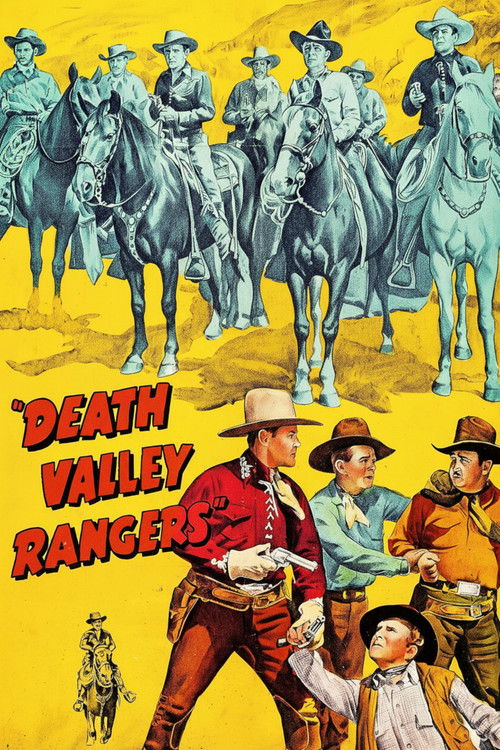
1943
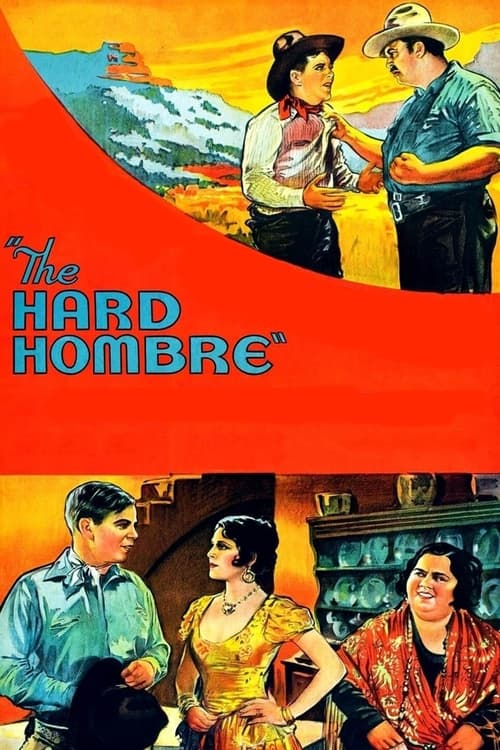
1931
1930
1920
1935
1917
1923
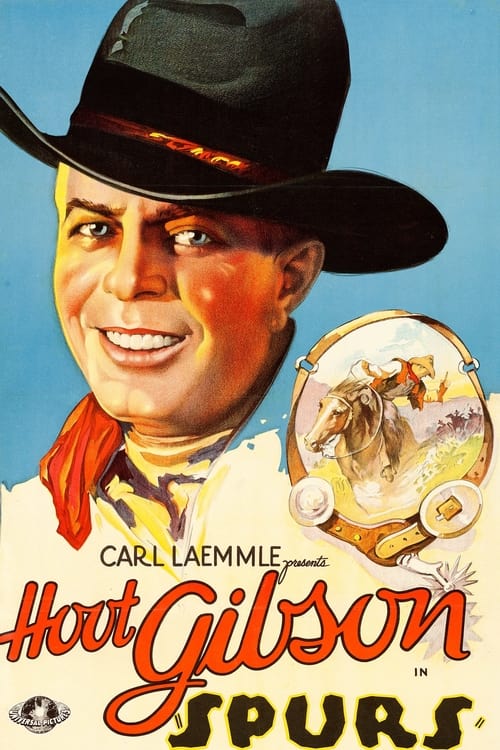
1930
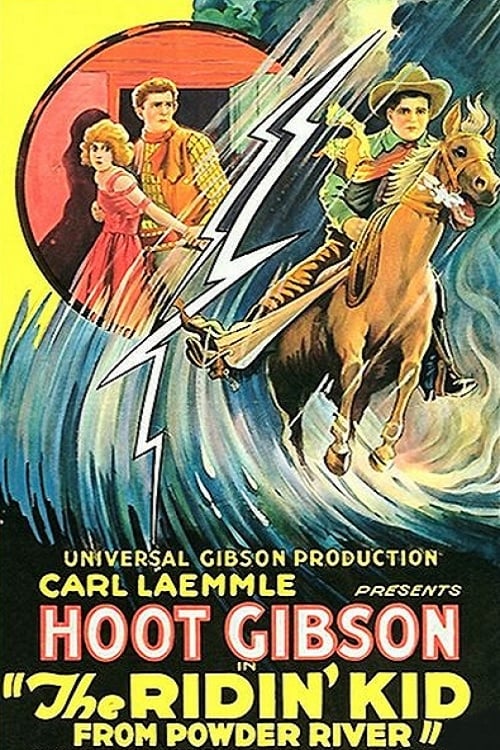
1924
1919
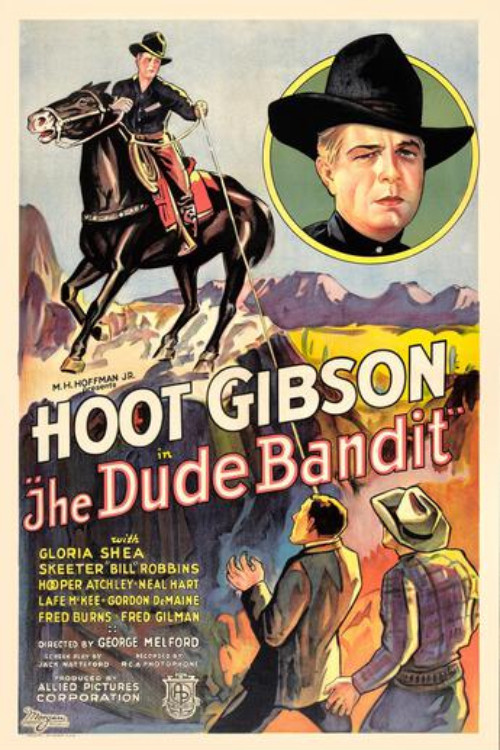
1933
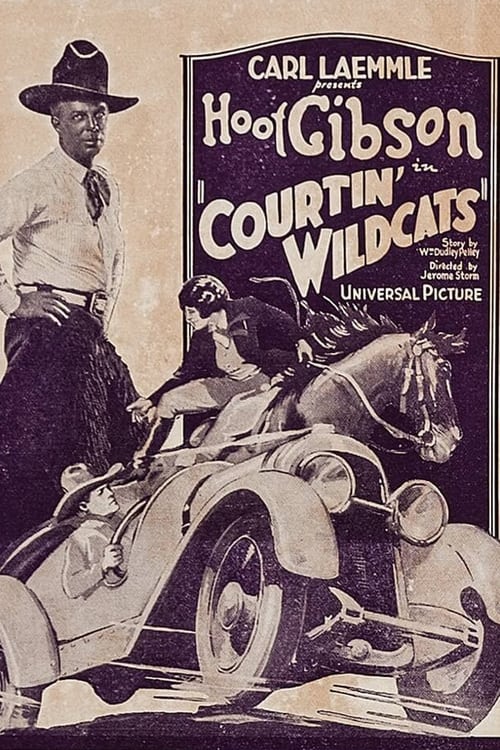
1929

1919
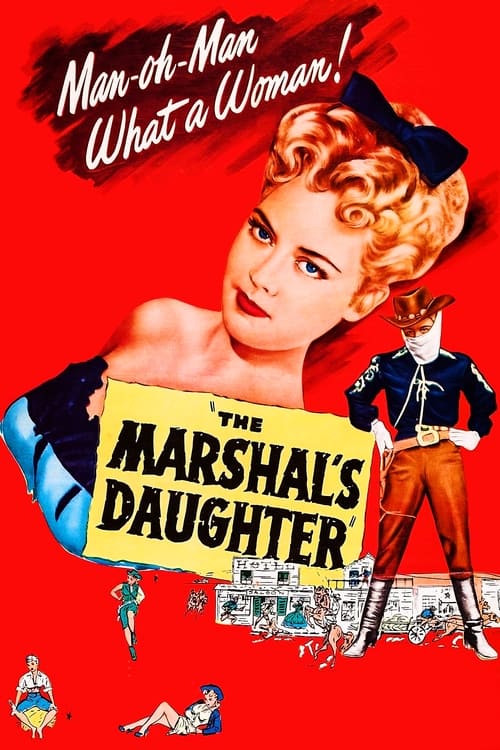
1953
1921
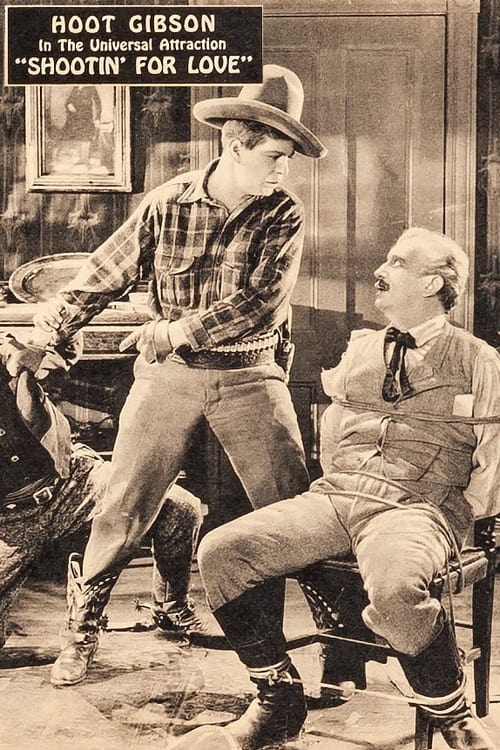
1923
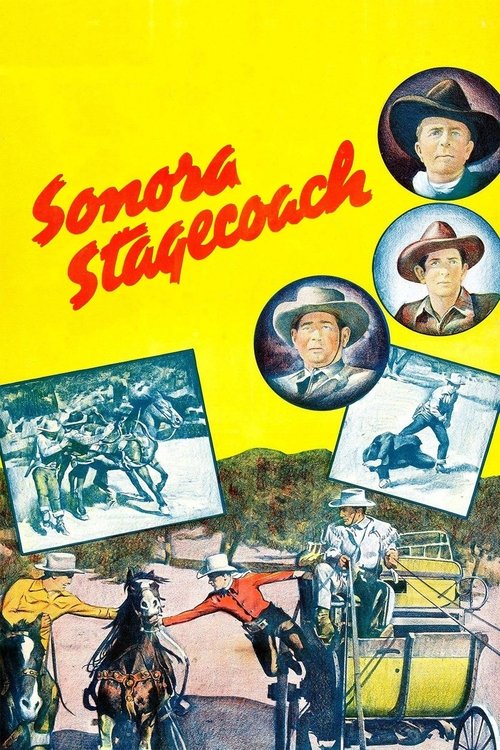
1944
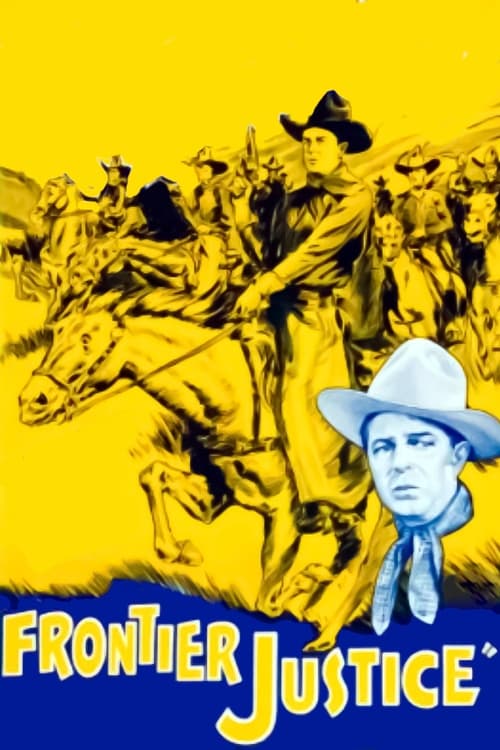
1936
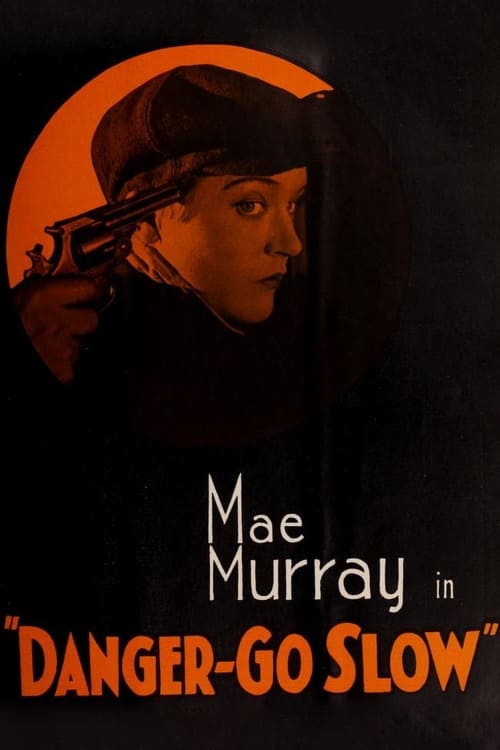
1918
1919
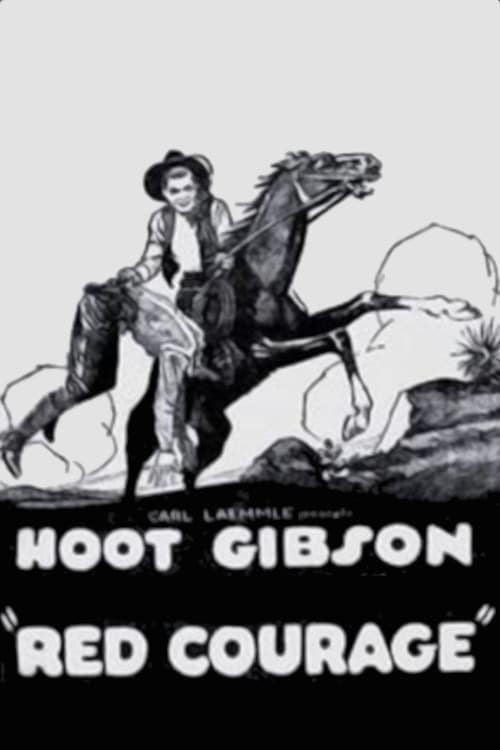
1921
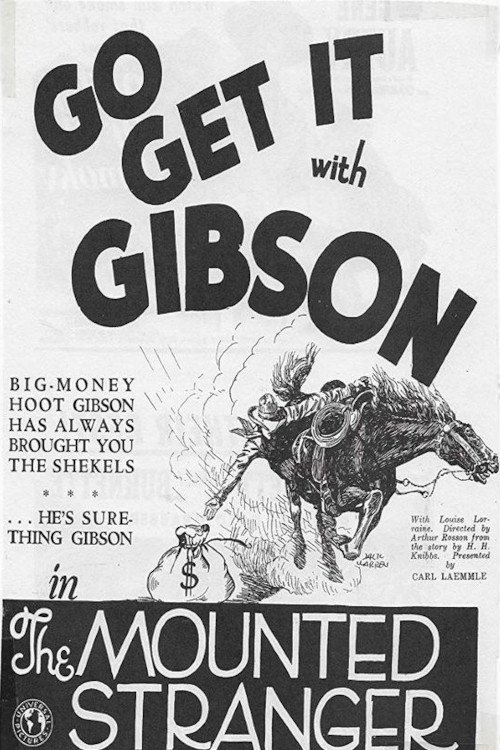
1930
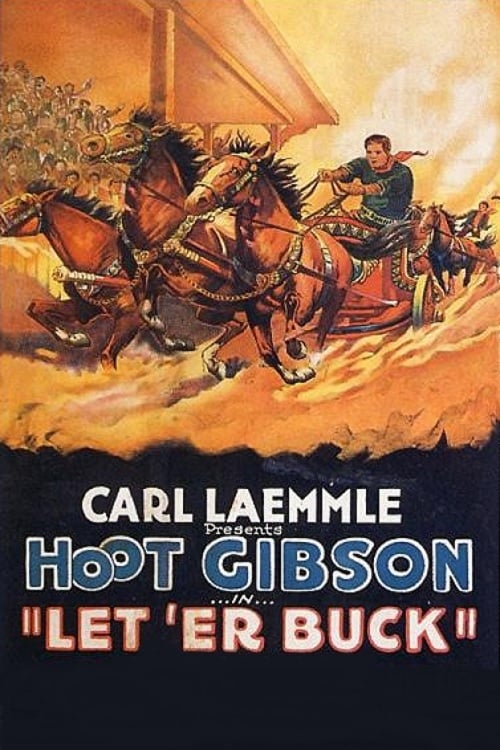
1925
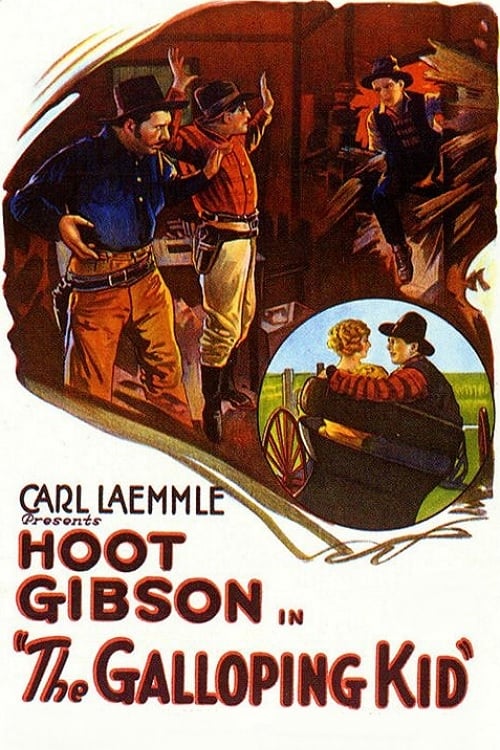
1922
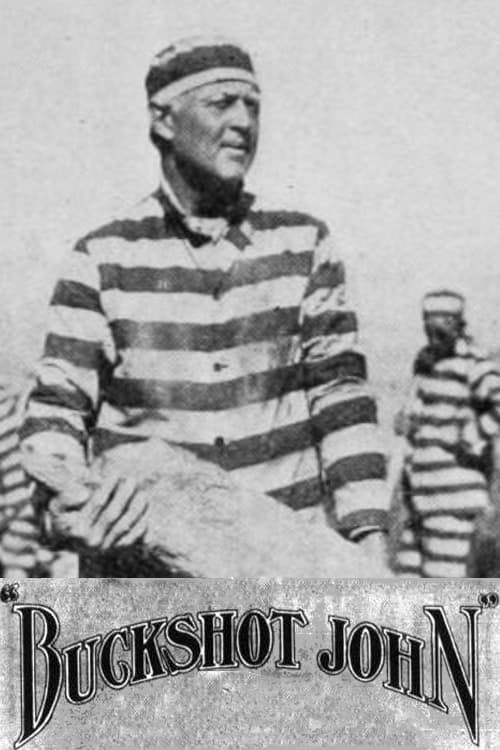
1915
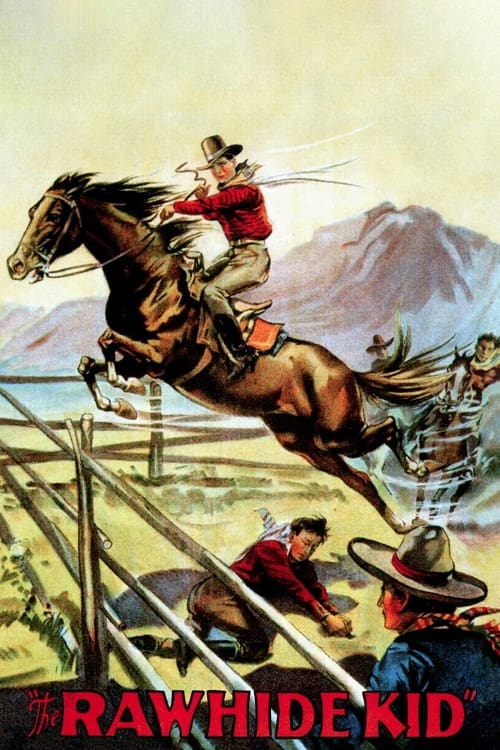
1928
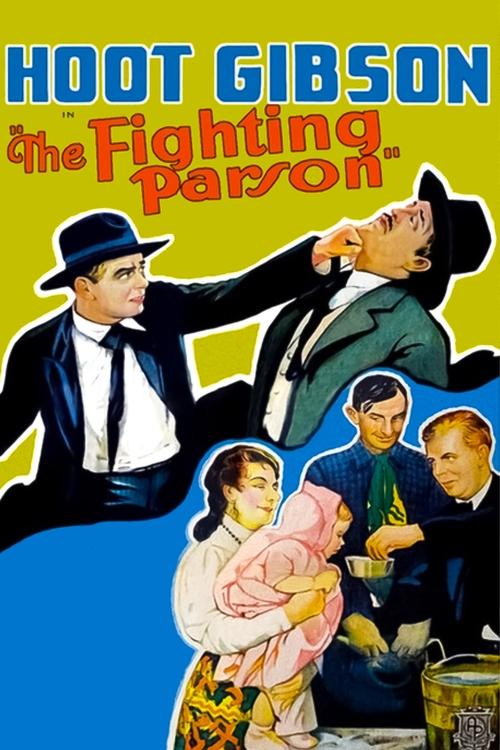
1933
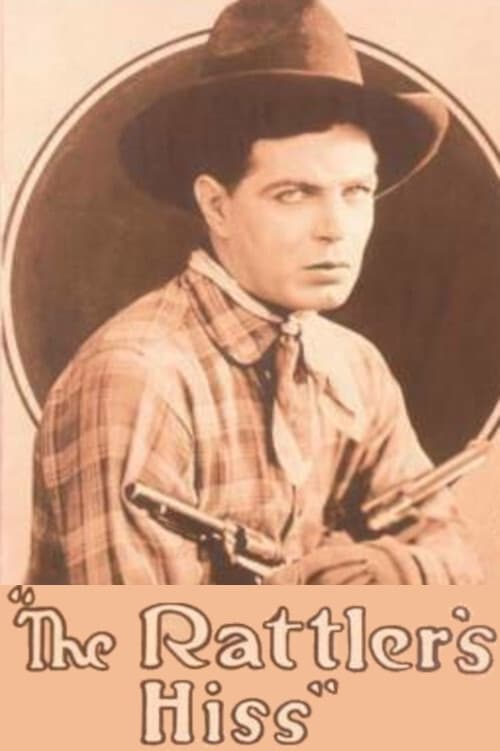
1920
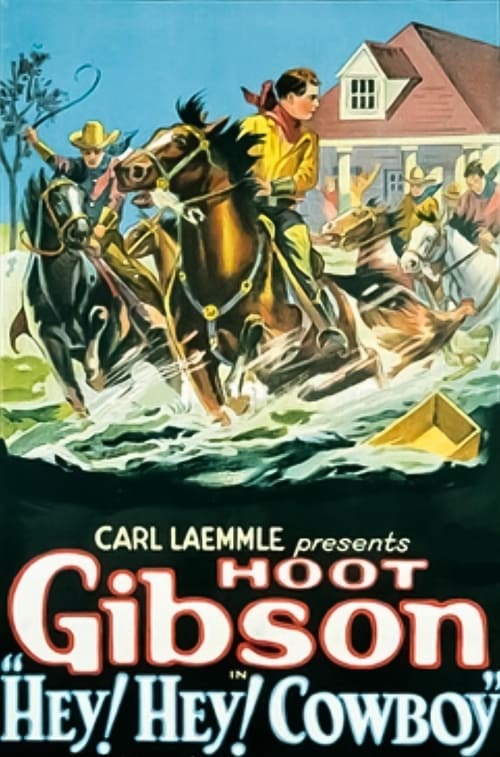
1927
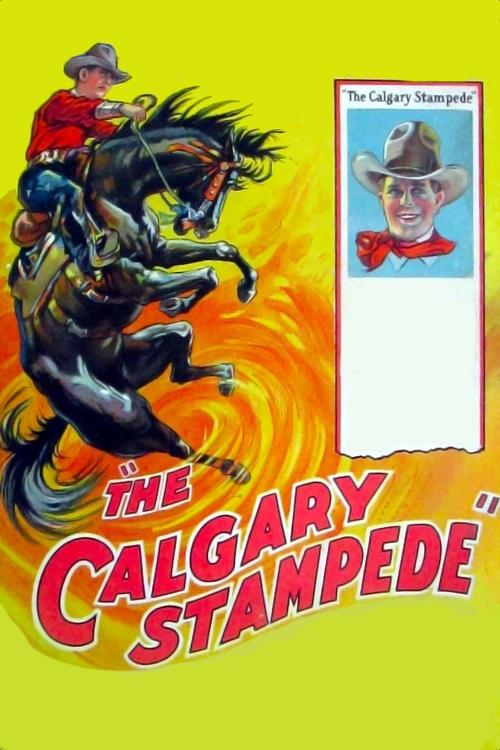
1925
1919
1927
1917
1917
1923
1915
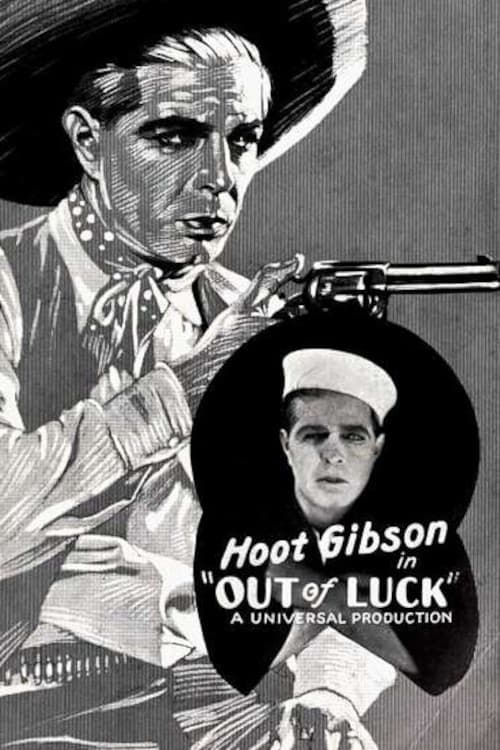
1923
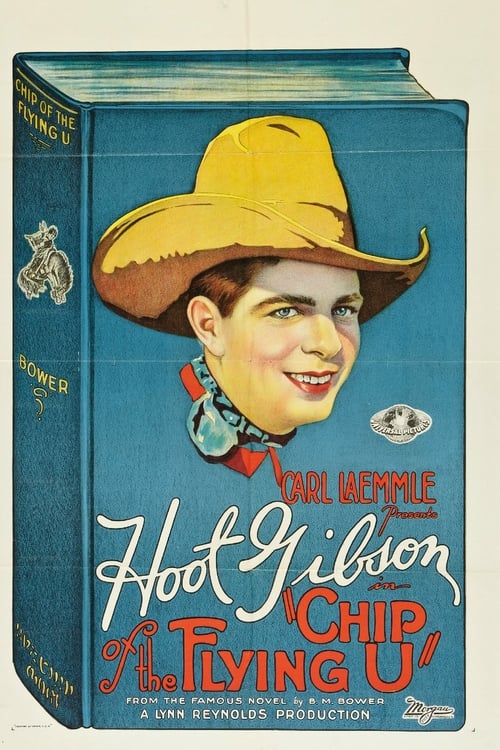
1926
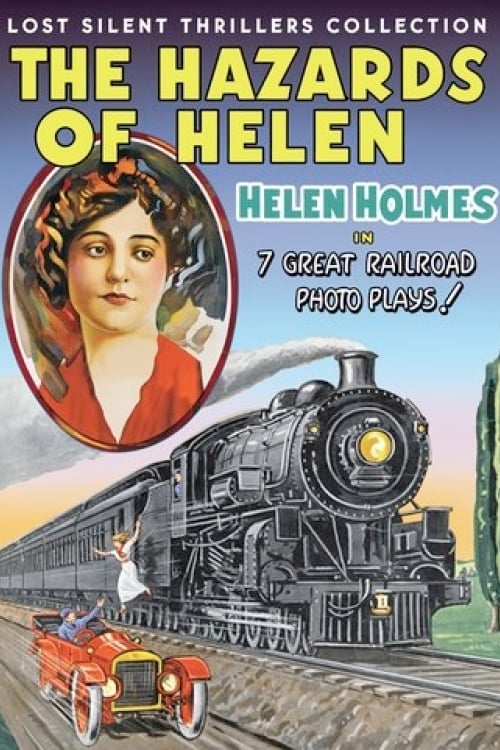
1917
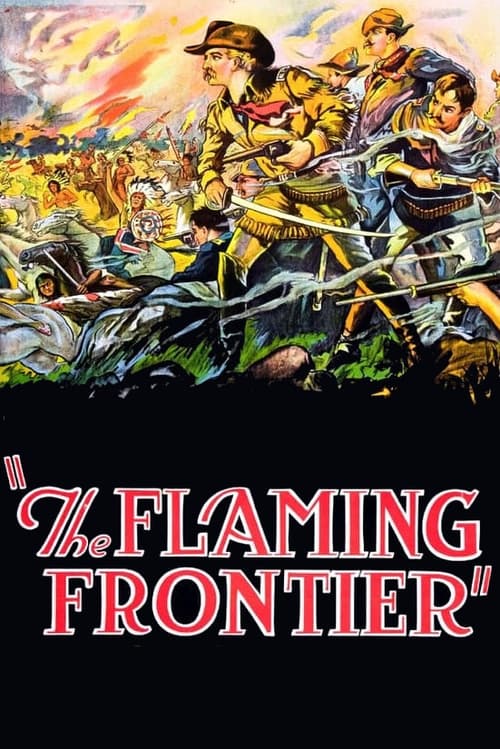
1926
1920
1915
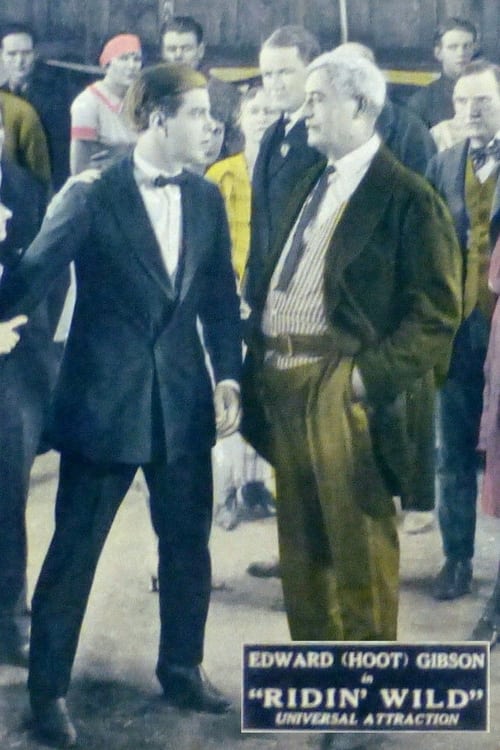
1922
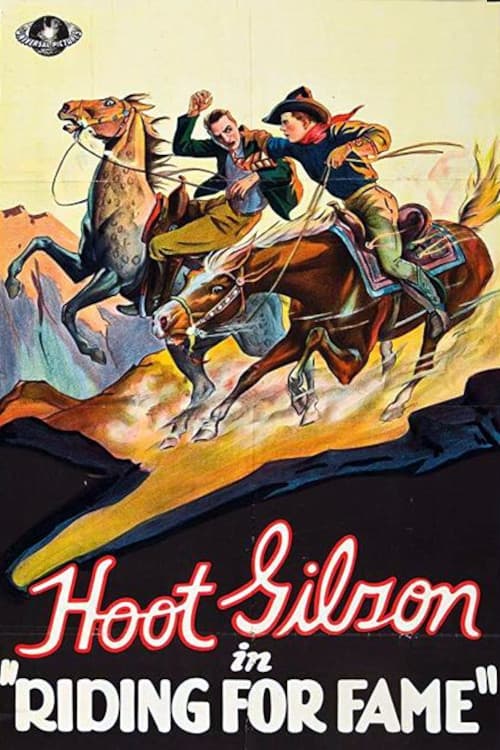
1929
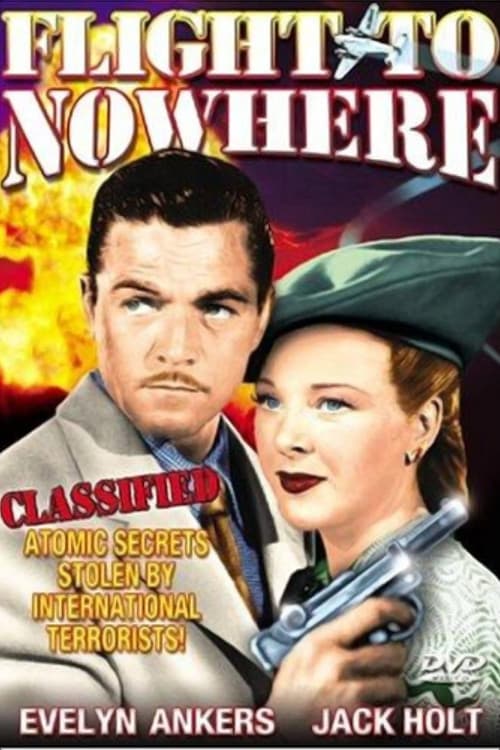
1946
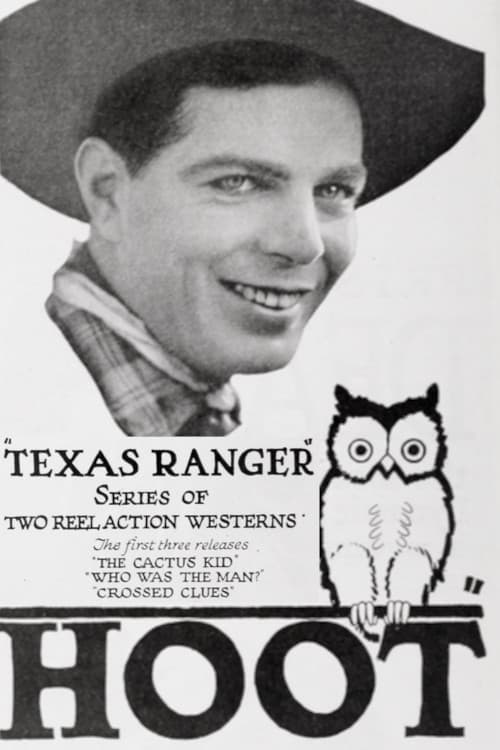
1921
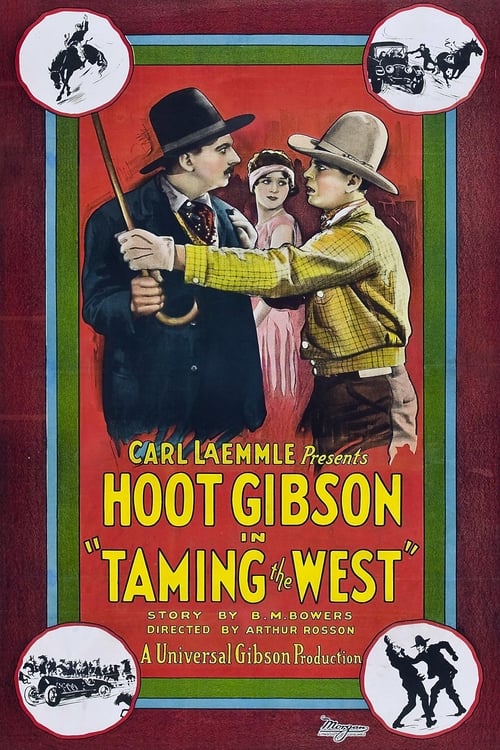
1925
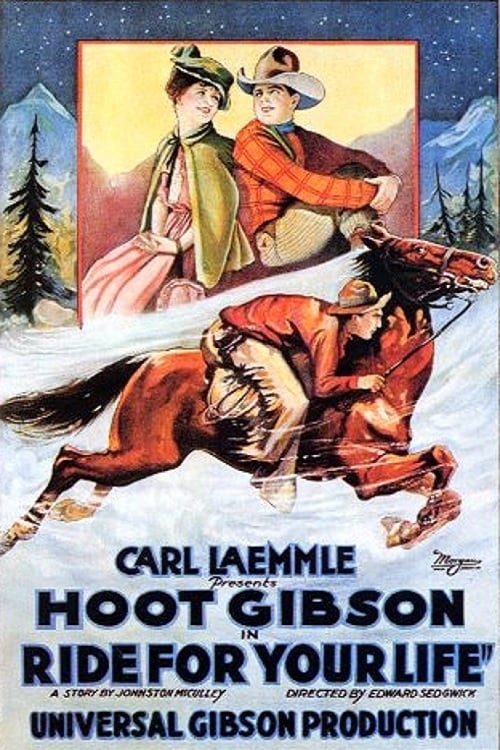
1924
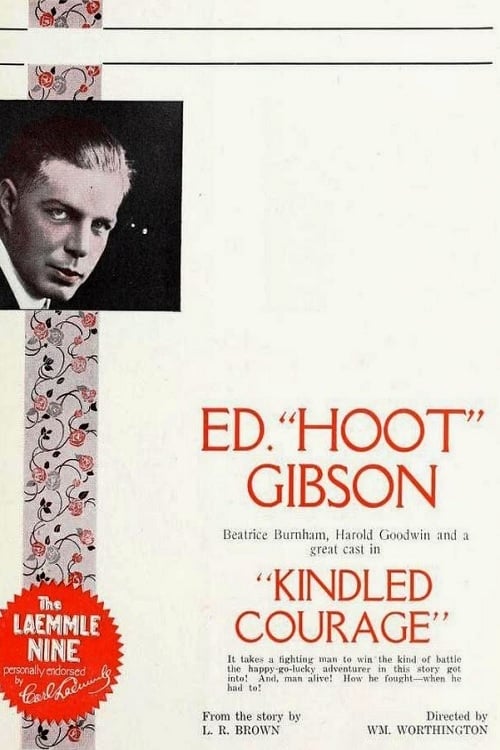
1923
1916
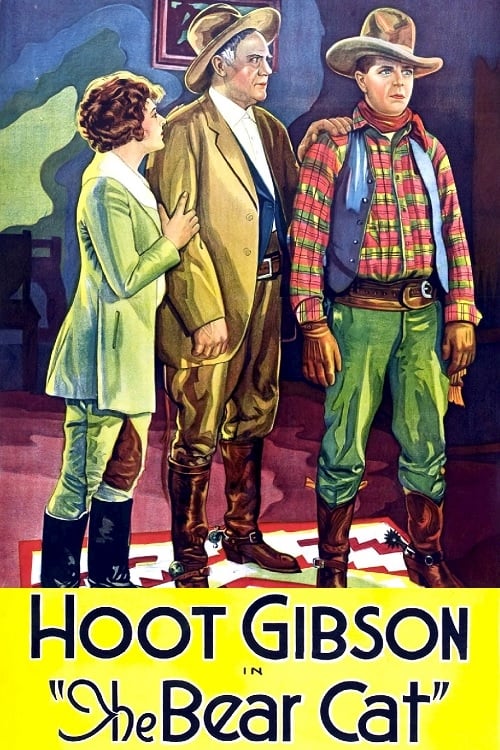
1922
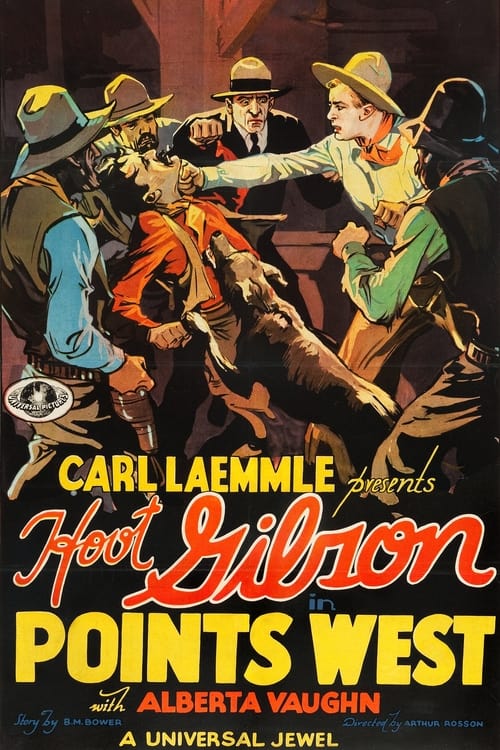
1929
1921
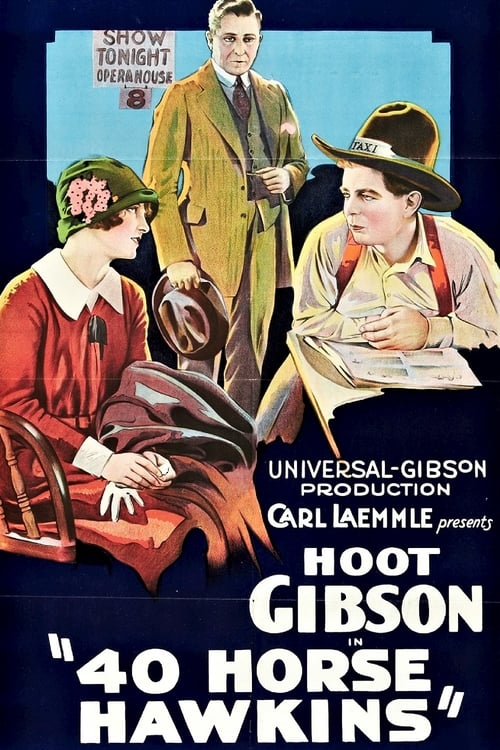
1924
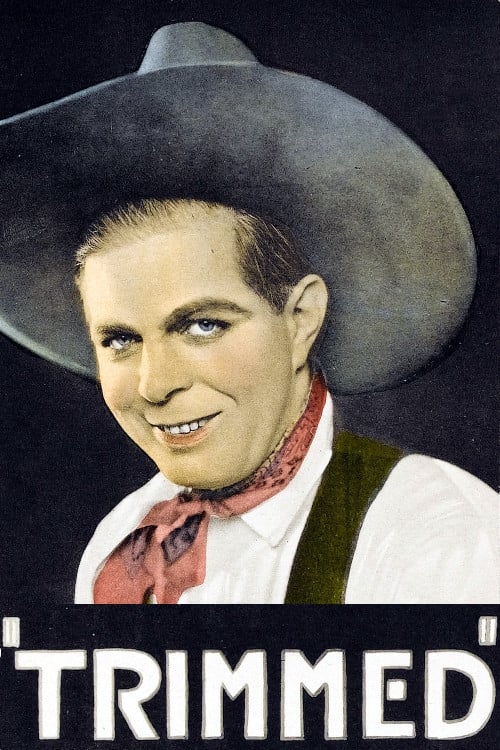
1922
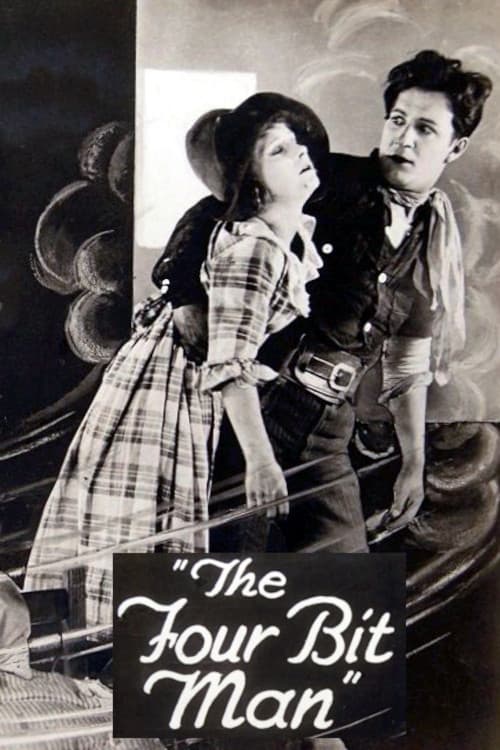
1919
1922
1921
1924
1927
1936
1928
1921
1919
1931
1911
1920
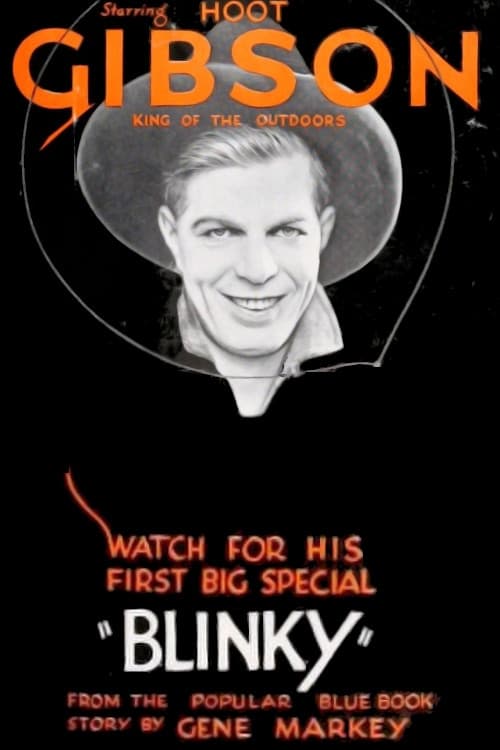
1923
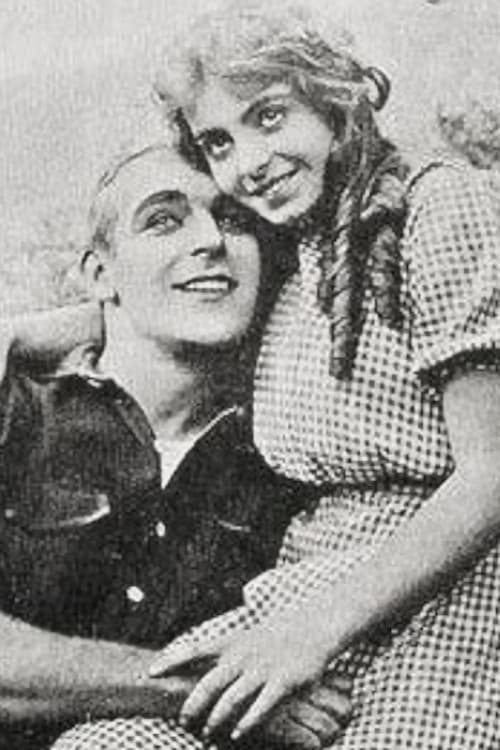
1912
1912
1914
1920
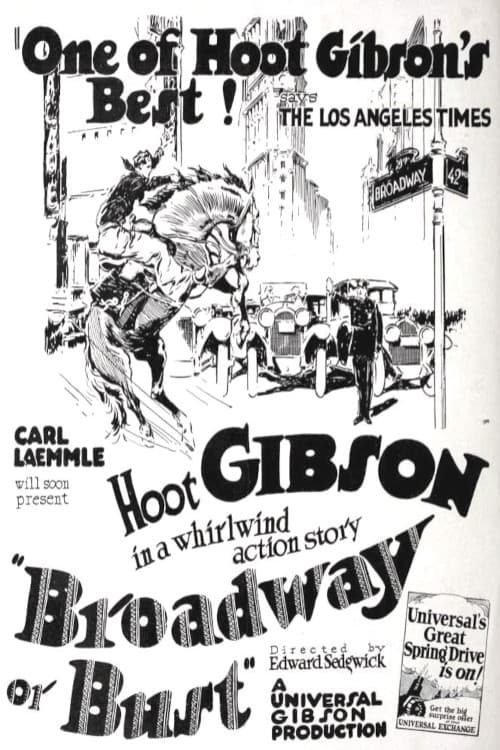
1924
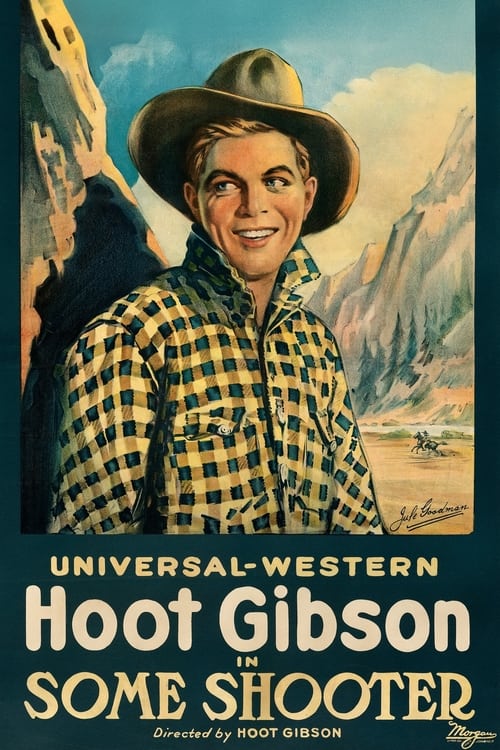
1920
1930
1921
1929
1918
1919
1920
1932
1915
1924
1928
1920
1915
1915
1914
1915
1919
1937
1913
1921
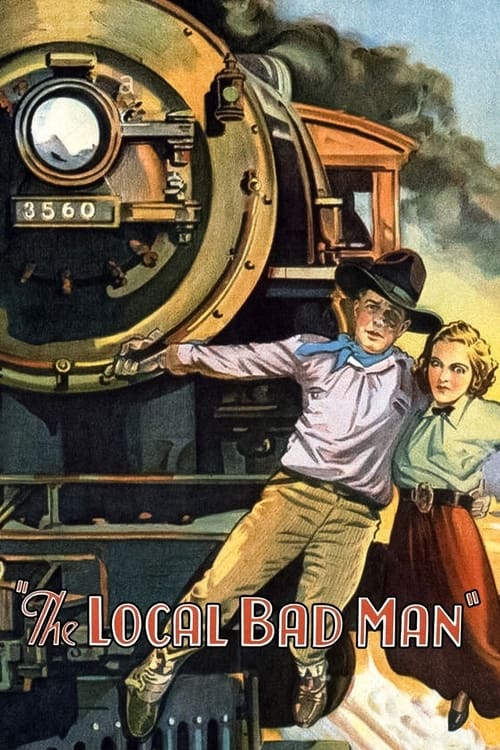
1932
1921
1920
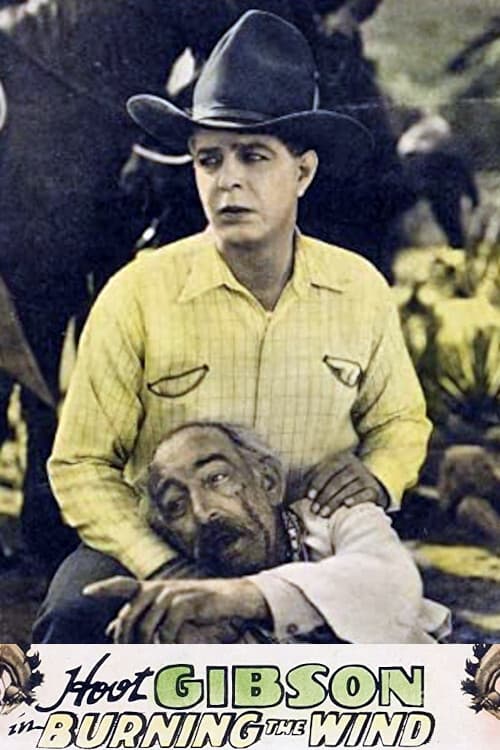
1929
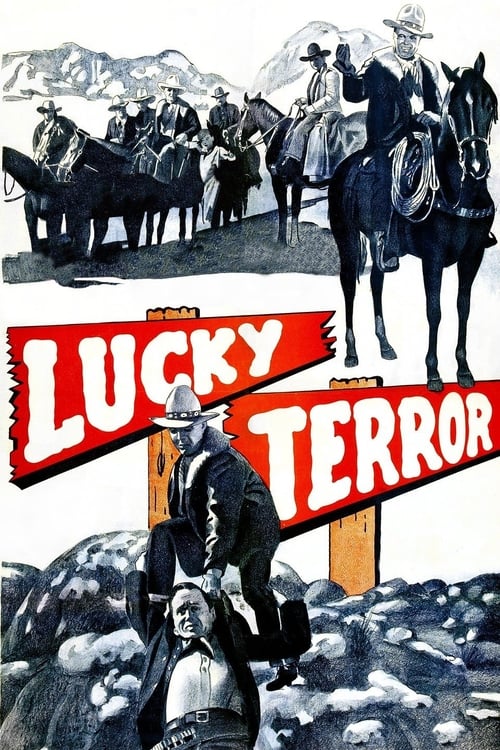
1936
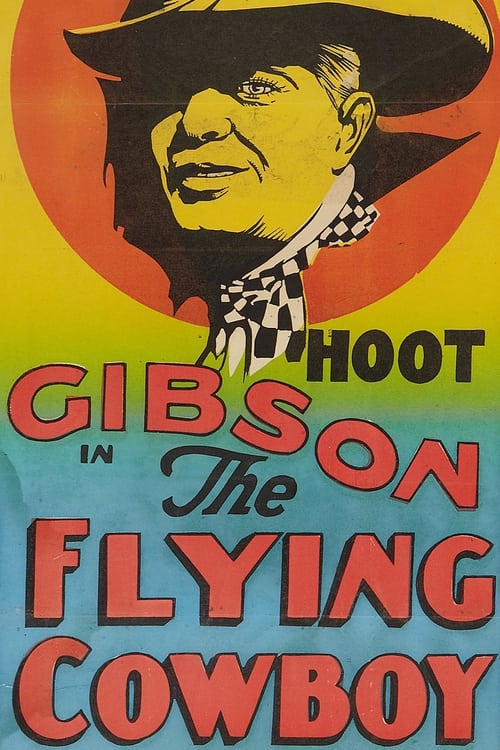
1928

1917
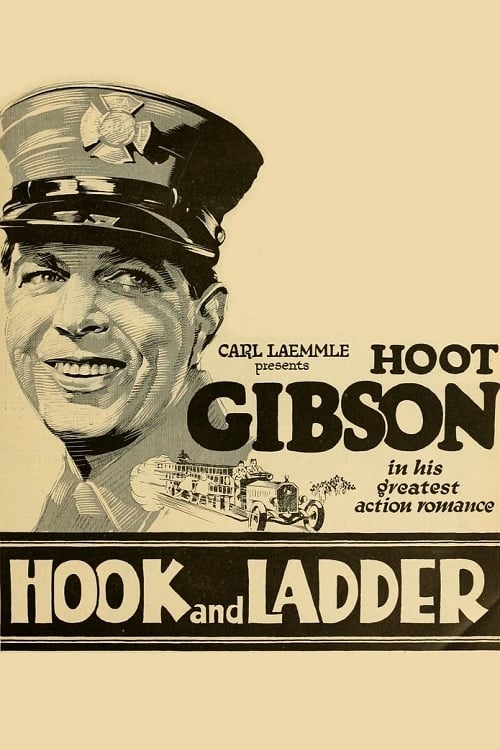
1924
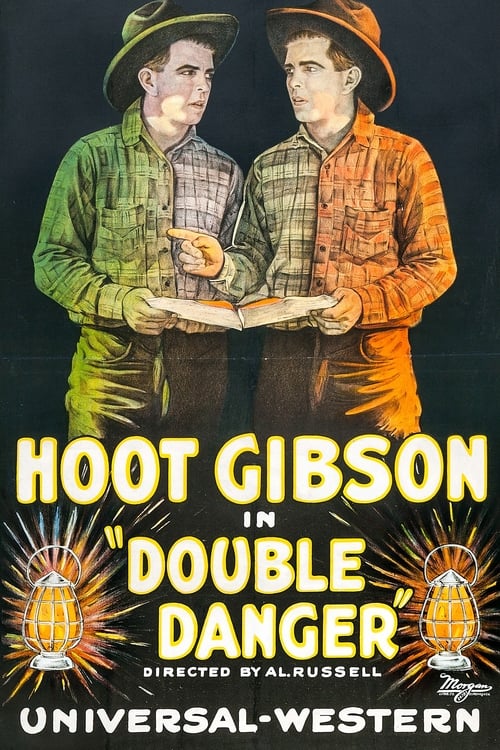
1920
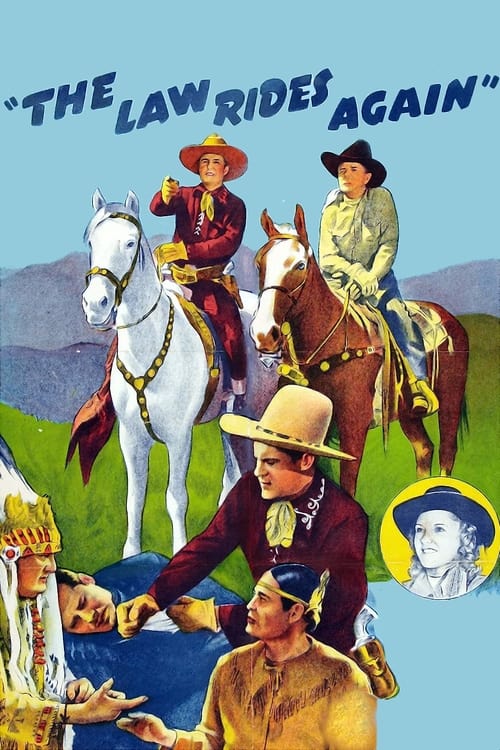
1943
1921
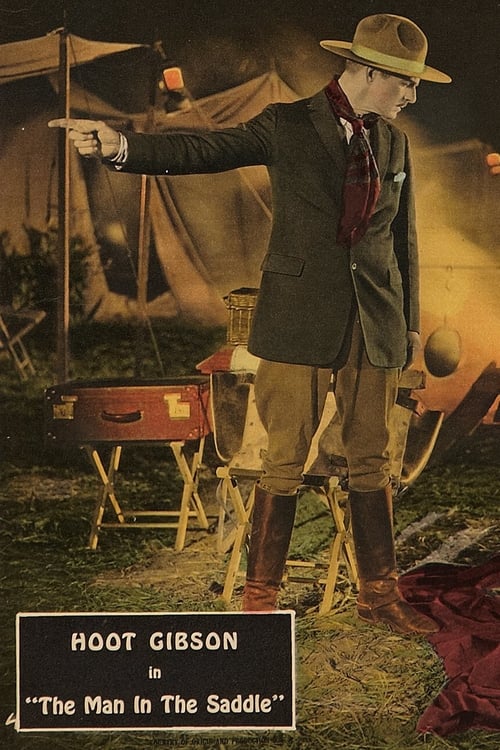
1926
1916
1920
1916
1921
1920
1932
1920
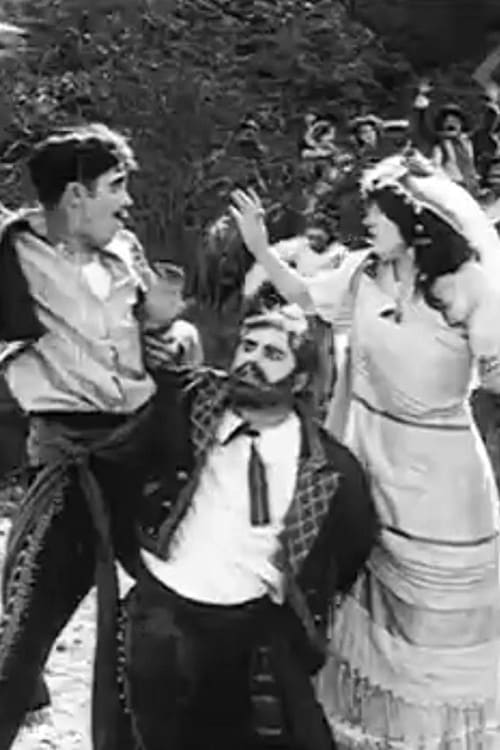
1910
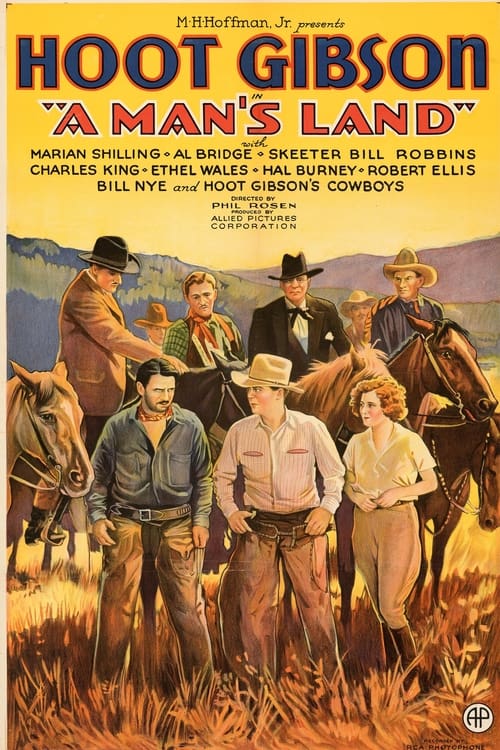
1932
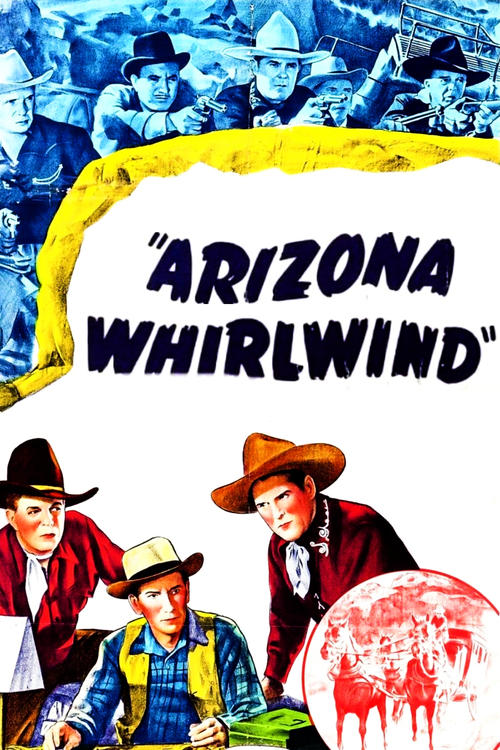
1944
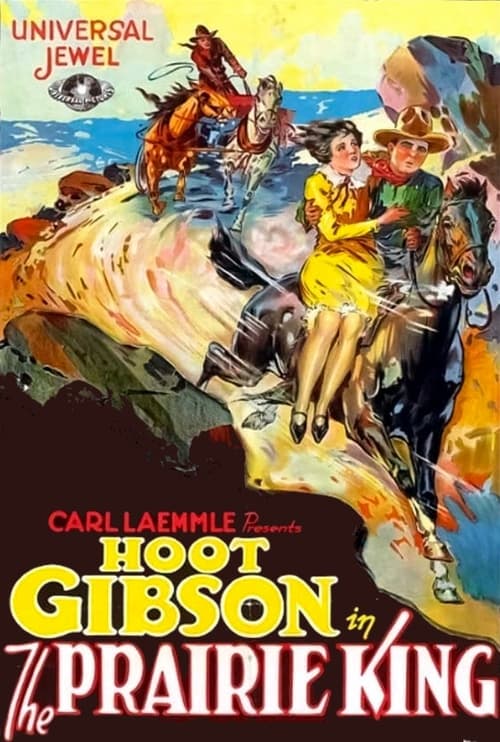
1927
1920
1916
1919
1913
1944
1932
1918
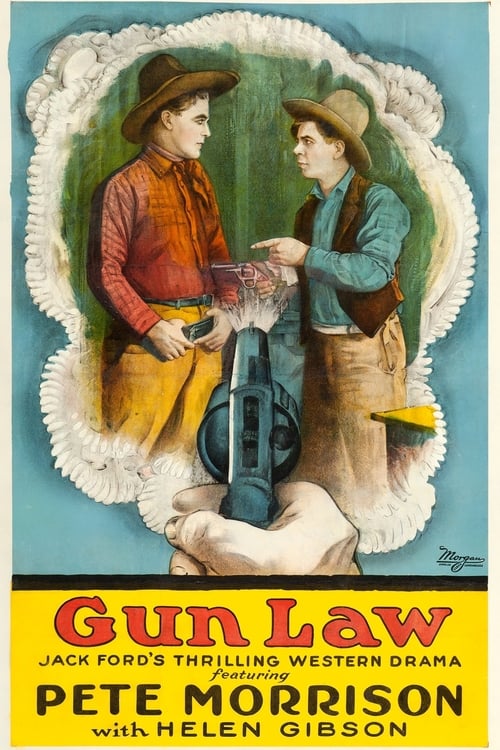
1919
1920
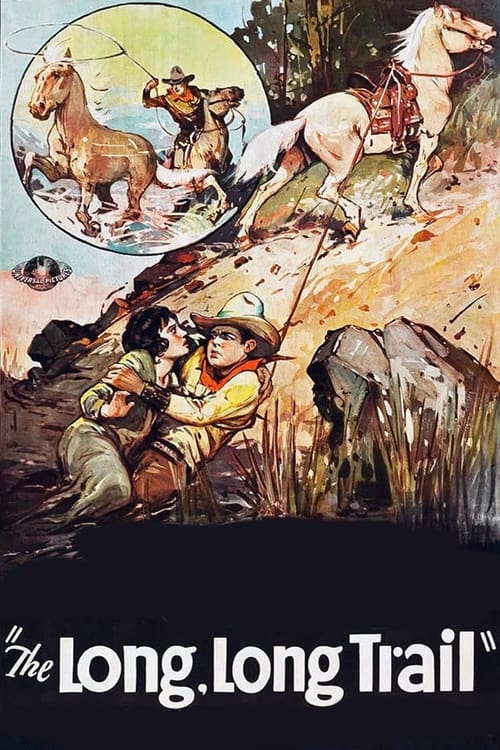
1929
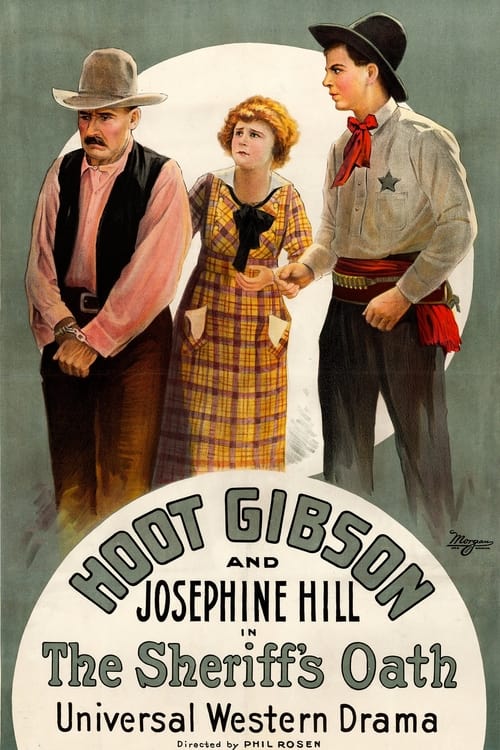
1920
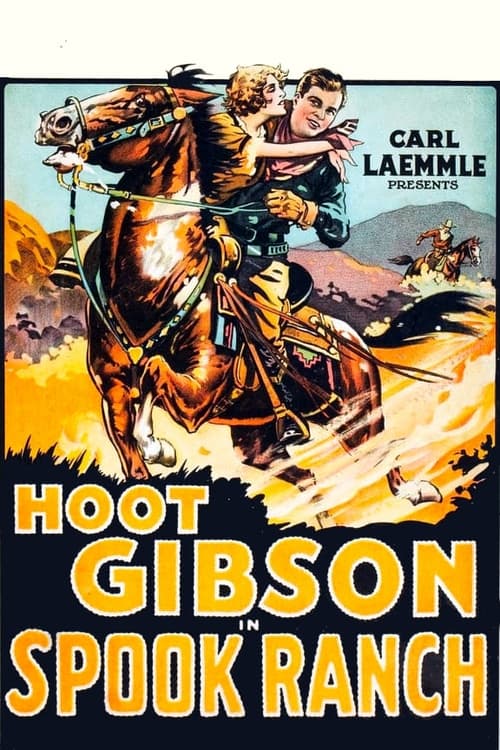
1925
1927
N/A
1926
1914
1918
1921
1914
1920
1928
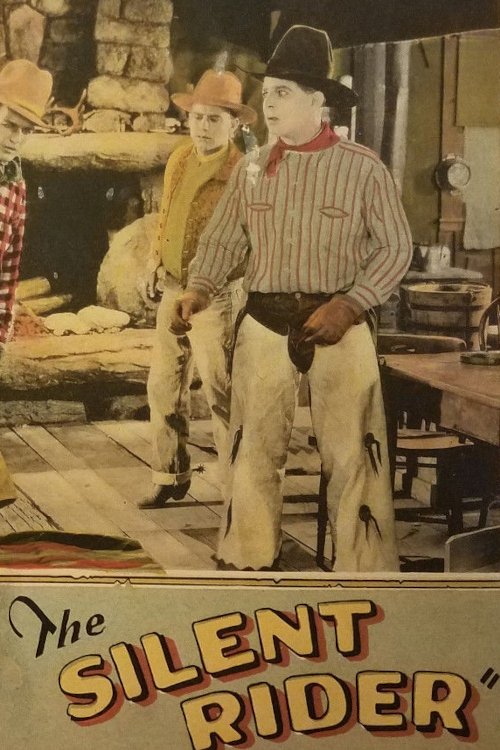
1927
1920
1916

1923
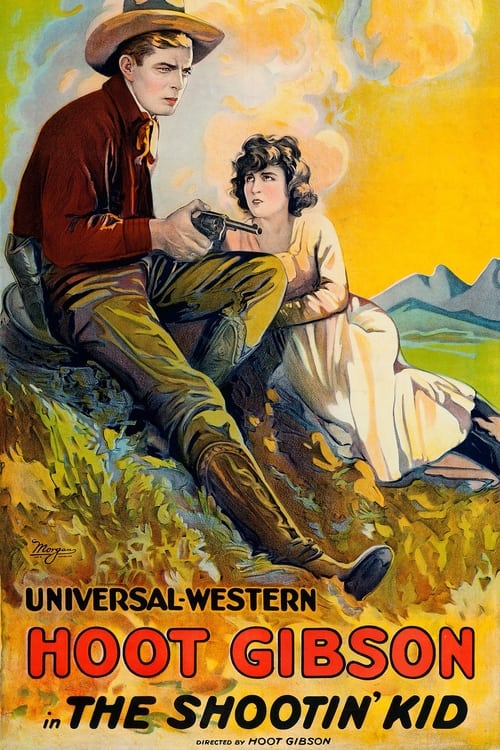
1920
1921
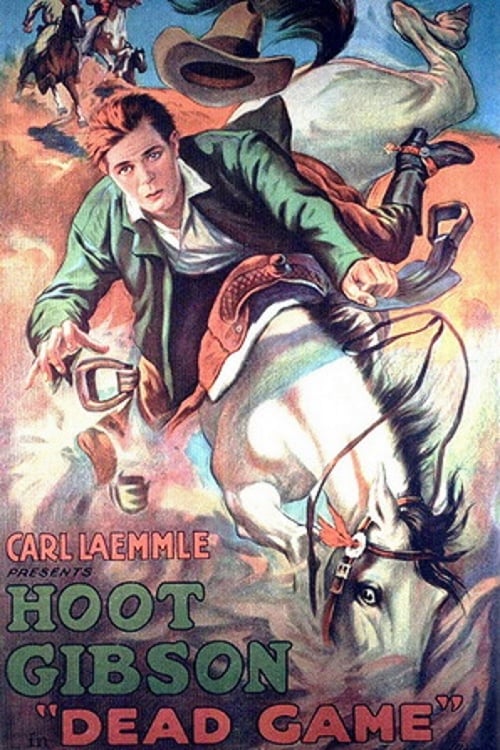
1923
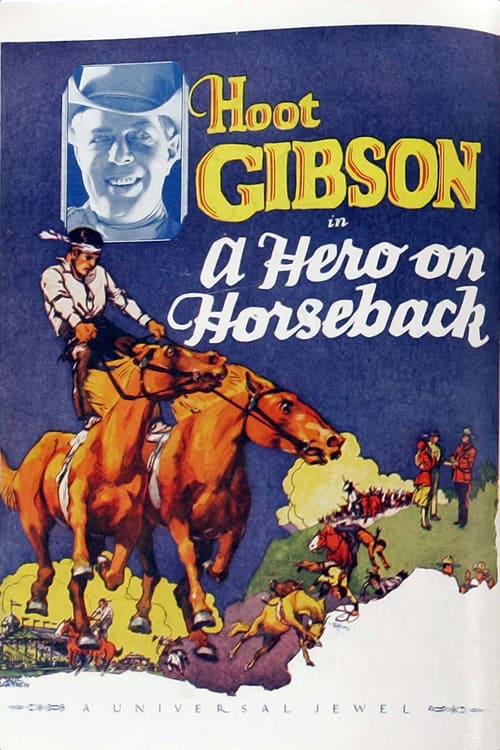
1927
1928
1920
1929
1929
1920
1919
1920
1918
1916
1920
1926
1921