No streaming information available for this title in United States.
Try selecting a different country or check back later for updates.
No subscription streaming options found in United States.
Curated for United States: Recommendations prioritize shared main cast, directors, and creators. Quality picks based on ratings and genre similarity.
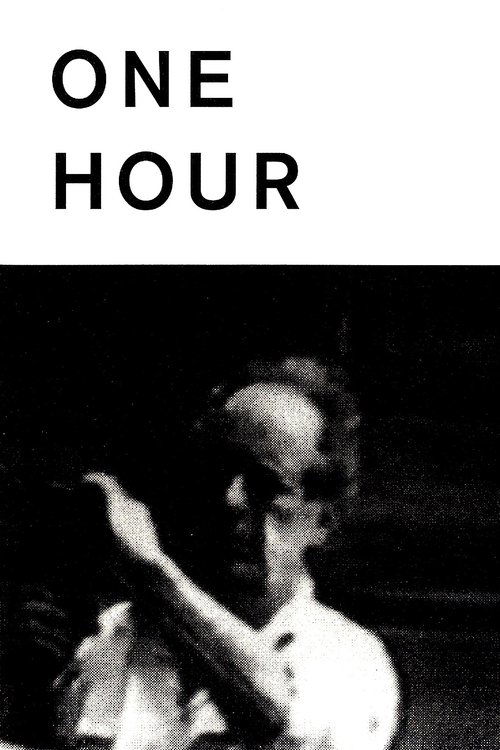
One of the longest handheld tracking shots in film history, It’s Real documents an hour in the street life of downtown Manhattan. Not only is it a unique record of a particular time and place—July 26, 1990, from 3:45 to 4:45 p.m. in the Lower East Side near Robert Frank’s studio (we note in a Daily News headline that after some 20 years the Zodiac killer still hasn’t been identified)—it’s also an experiment in fragmentary language, gesture, and life caught unawares. Snippets of dialogue captured in passing at phone booths and crosswalks, in alleyways, subways, and diners—chance encounters, only presumably, with people going about their day—have something of the aleatory cut-up technique of the Dadaists in the 1920s and William Burroughs and Byron Gysin in the 1950s, an effort to divine new and deeper meanings in ordinary life. — Museum of Modern Art
You can watch One Hour in United States through the following streaming services: .
You can watch One Hour in United States through the following streaming services: .
Overview
One of the longest handheld tracking shots in film history, It’s Real documents an hour in the street life of downtown Manhattan. Not only is it a unique record of a particular time and place—July 26, 1990, from 3:45 to 4:45 p.m. in the Lower East Side near Robert Frank’s studio (we note in a Daily News headline that after some 20 years the Zodiac killer still hasn’t been identified)—it’s also an experiment in fragmentary language, gesture, and life caught unawares. Snippets of dialogue captured in passing at phone booths and crosswalks, in alleyways, subways, and diners—chance encounters, only presumably, with people going about their day—have something of the aleatory cut-up technique of the Dadaists in the 1920s and William Burroughs and Byron Gysin in the 1950s, an effort to divine new and deeper meanings in ordinary life. — Museum of Modern Art
Popular movies currently available in your region. Updated daily.